
Mice problem action box
Need mice gone fast? Choose DIY control or professional help before activity spreads.
DIY trapping can work for light activity, but recurring droppings, attic noises, wall sounds, insulation contamination, or mice returning after sealing may require a professional inspection. Use the checklist below to act quickly and safely.
Disclosure: Some product links may be affiliate links. If you buy through them, we may earn a commission at no extra cost to you. For heavy contamination, illness risk, or unsafe areas, contact a qualified professional.
Attic mouse removal
How to Get Rid of Mice in Attic Insulation: Safe Cleanup, Exclusion, and Prevention
A focused attic plan for identifying activity, avoiding unsafe insulation cleanup, controlling accessible routes, repairing entry points, and knowing when an attic problem needs professional help.
Direct answer
For mice in an attic, start by confirming accessible evidence, removing nearby food and shelter access, and identifying exterior entry routes. Do not disturb droppings or insulation while dry. If you can safely access an attic edge or entry point, use a controlled trapping plan along evidence-backed routes, then repair the exterior gaps with durable material after activity is controlled. If insulation is heavily contaminated, access is unsafe, wiring is damaged, or activity is deep in inaccessible voids, use qualified help rather than cutting into walls or handling a heavy cleanup yourself.
Why attic mice need a different plan

An attic can hide activity for longer than a kitchen or pantry because it offers cover, insulation, dark edges, and building transitions that are difficult to inspect. The first question is not “Which product should I put in the attic?” It is whether the evidence is accessible and whether you can safely move through the space without falling, disturbing insulation, damaging wiring, blocking ventilation, or spreading contamination.
CDC identifies attics among the areas worth checking when looking for rodent entry points. Inspect exterior roofline, eaves, gables, soffits, vent surrounds, utility penetrations, attic-access openings, and the point where siding or roof structures meet. Mice can fit through pencil-width openings, so an apparently small exterior defect may matter. Do not seal a vent or combustion-air opening just because it looks like a gap.
A safe attic-mouse sequence
- Document accessible evidence. Note droppings, nesting material, gnawing, odor, sound, and the nearest visible exterior gap before cleaning.
- Check whether the work is safe. Stop if the access path is unstable, wiring is exposed, contamination is heavy, or the roof/ceiling condition is uncertain.
- Reduce attraction below the attic. Secure pantry goods, pet food, bird seed, and other food sources so the home does not remain rewarding after attic activity is controlled.
- Use traps only at safe, accessible evidence routes. Place protected devices along edges where activity is known and where children, pets, and non-target animals cannot reach them. Do not toss traps blindly into insulation.
- Wet-clean visible waste safely. CDC advises against dry sweeping or vacuuming rodent waste. Use the cleanup safety guide for the appropriate wet, contained sequence.
- Repair real entry points. Match the repair to the surface and preserve required ventilation and drainage. Use mouse proofing for material and inspection guidance.
- Monitor the evidence route. Recheck the attic edge, entry repair, and the indoor areas below for new signs rather than declaring success after one quiet night.
What to do with contaminated insulation
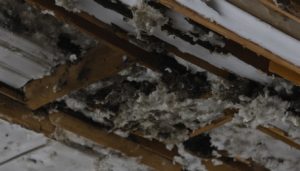
Insulation is different from a hard shelf or floor. CDC advises bagging exposed insulation contaminated with urine or droppings for removal. That does not mean every attic requires a full insulation replacement. The decision depends on the amount and location of contamination, the insulation type, safe access, local disposal rules, and whether removal itself would create an unsafe dust problem. If contamination is widespread, if you cannot see the full scope, or if the attic is a dusty enclosed space, get a qualified assessment.
Do not dry rake, sweep, shake out, or vacuum contaminated insulation. Do not take an online checklist as permission to enter an unsafe attic. The ordinary cleanup sequence is for accessible household waste; CDC identifies heavy rodent infestation and contaminated insulation as conditions requiring additional precautions.
Attic-entry repairs that deserve careful inspection
| Location | What to inspect | Repair constraint |
|---|---|---|
| Roofline, eaves, and soffits | Loose material, gaps, damaged screens, and gnaw-prone transitions. | Preserve roof and ventilation function; use a qualified roofer when access is unsafe. |
| Attic and gable vents | Damaged or missing screening and gaps around the frame. | Do not block required attic ventilation; fit an appropriate durable screen or repair. |
| Utility penetrations | Openings around cable, pipes, and conduits entering the attic. | Use material suited to the gap and utility; do not damage wires or pipes. |
| Attic hatch or pull-down stair | Gaps at the frame, damaged weather stripping, and indoor signs nearby. | Maintain safe operation and fire/safety requirements of the assembly. |
When to call a professional
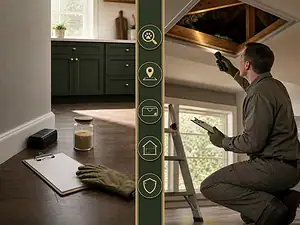
Use qualified help when activity is widespread, insulation is visibly contaminated across a large area, a dead-rodent odor persists, mice are in inaccessible wall or roof voids, wiring is damaged, access needs roof or ladder work, or a heavy cleanup may require specialized precautions. Ask what the inspection includes, what entry points were found, whether cleanup and exclusion are part of the scope, and how the provider will verify that activity has stopped.
Frequently asked questions
Can I vacuum mouse droppings from attic insulation?
No. Do not dry vacuum or sweep rodent waste. CDC directs people to wet the material before wiping it up, and contaminated insulation may need a different scope of removal.
How do mice get into an attic?
Common routes include gaps near eaves, soffits, vents, roofline transitions, utility penetrations, and attic-access areas. Inspect the exterior and attic edges rather than guessing from one interior sound.
Can I seal attic holes while mice are still inside?
Repair obvious exterior defects carefully, but do not blindly close every possible exit when activity is still active in an inaccessible void. Use controlled trapping and monitoring or seek professional inspection to avoid creating a larger indoor problem.
When is attic mouse cleanup too much for DIY?
Use qualified help for heavy contamination, extensive insulation involvement, unsafe access, wiring damage, HVAC involvement, or any condition you cannot complete safely.
Next steps
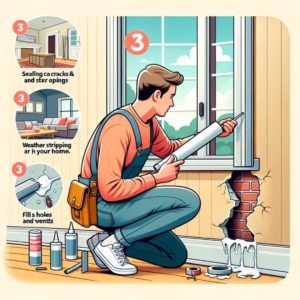
Continue with the main mouse-removal plan, the cleanup guide, and proofing guidance. These three links cover the active route, contamination, and re-entry risks that an attic article cannot solve in isolation.
Sources: CDC cleanup guidance; CDC seal-up guidance; UC IPM House Mouse.

Alexios Papaioannou is the founder and lead editor of Mice Gone Guide. He oversees research, article review, and content updates focused on mouse prevention, humane control, home proofing, and safety-first household guidance.