
Don’t sweep.
Don’t vacuum.
Keep people and pets away. Do not touch suspected waste to identify it. Follow the complete wet-cleanup procedure.
Read CDC cleanup instructions ↗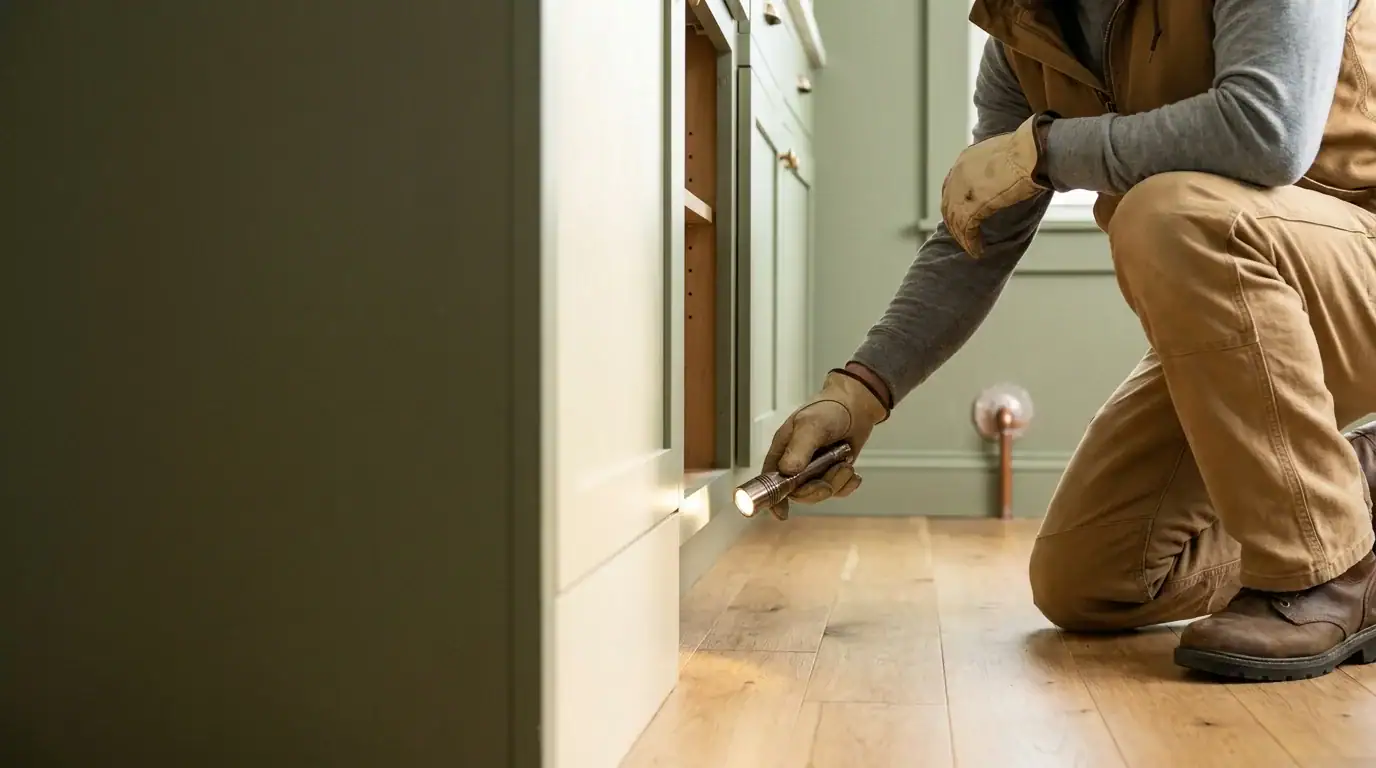
Mouse removal & prevention, made clearer
Direct answer: confirm activity, secure food, trap active routes with snap traps, clean droppings wet, and seal entry gaps. Call a professional for heavy or recurring activity.
Free to use. No email. No scare tactics.
Something caught your attention?
A clear answer, first
Combine trapping, exclusion and food control. Look for signs of activity, seal entry gaps, and place mouse-sized snap traps along active walls, away from children and pets. Store food securely and clean droppings using a wet-disinfection method—never dry-sweep or vacuum them. Keep checking for new activity; there is no guaranteed clearance date. [1] [2] [3]
Useful before you buy anything
Finding waste, hearing a noise and seeing damaged wiring are different situations. Start with the right precaution.
Keep people and pets away. Do not touch suspected waste to identify it. Follow the complete wet-cleanup procedure.
Read CDC cleanup instructions ↗Note the time and location. Look for supporting signs only in accessible areas; leave walls, ducts and wiring undisturbed.
Know which signs to check ↗Heavy waste or duct activity needs specialist attention. Suspected wiring damage needs a qualified electrician—not a DIY inspection.
How to choose a professional ↗Read before you start
For routine, safely accessible hard surfaces: ventilate as CDC directs, wear rubber or plastic gloves, wet the material with disinfectant, allow the required contact time, wipe up, dispose appropriately, disinfect the surrounding surface, and wash hands.
Never mix bleach with other cleaning products. Follow the disinfectant label for surface compatibility, use and contact time. Dead rodents, nests, porous materials and vehicles need their own instructions.
Open the full CDC procedure ↗This is a reminder, not a contamination assessment. It cannot verify whether an area is safe or disinfected.
Choose the scope before using the reminder.
No assumed default. If the instructions are unclear, do not guess.
Complete the checks and enter the label’s time. Start only once the surface is wet.
Different spaces. Different starting points.
Choose your space for practical checks, important cautions and a guide worth opening next.
Kitchen & pantryYour starting point
Look around accessible cabinet edges and pipe openings without disturbing suspected waste. Protect food while you investigate.
 Walls & attic
Your starting point
Sounds alone do not identify the animal. Inspect safely accessible areas and leave hidden wiring, insulation and ducts undisturbed.
 Garage & entryways
Your starting point
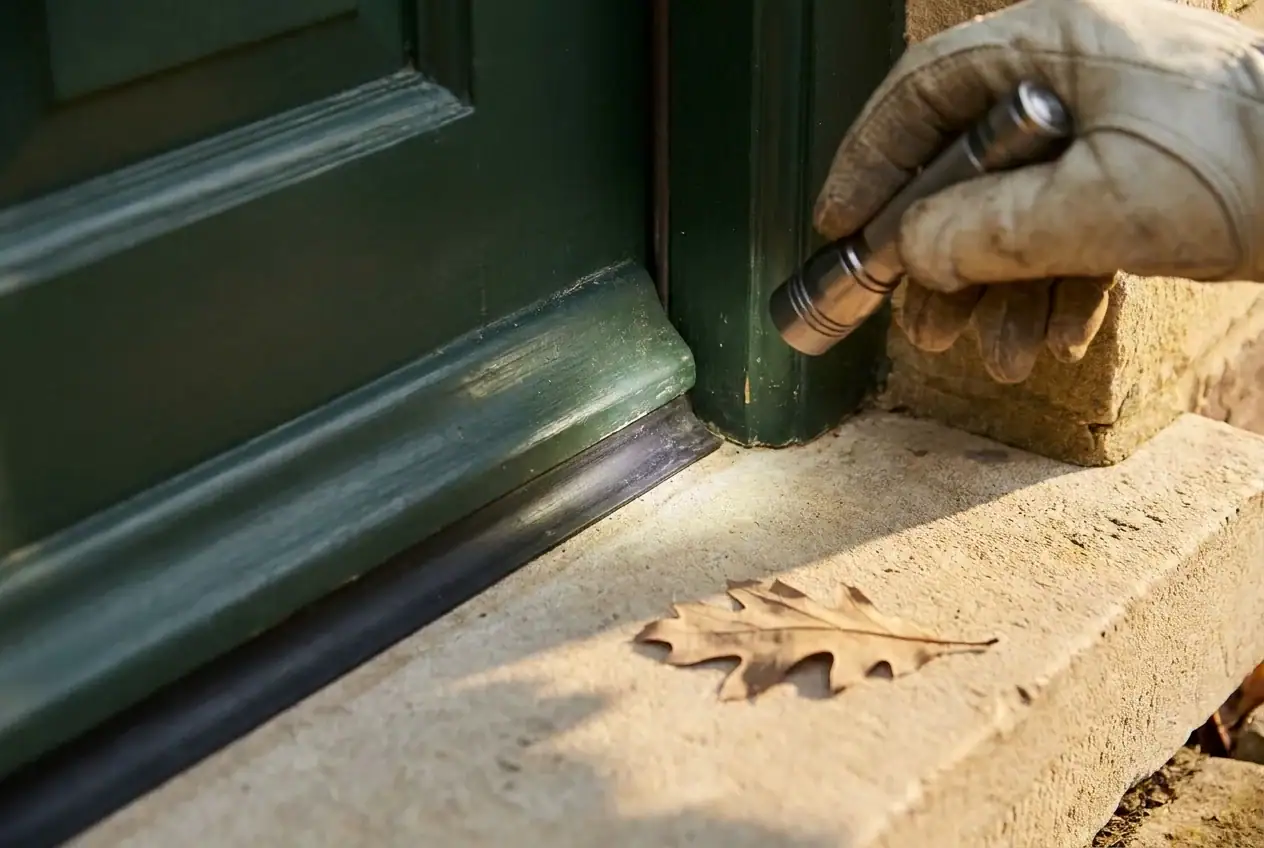
Inspect door corners, utility entries and gaps around the building. Choose repairs suited to the surface and preserve required ventilation.
 Whole-home prevention
Your starting point
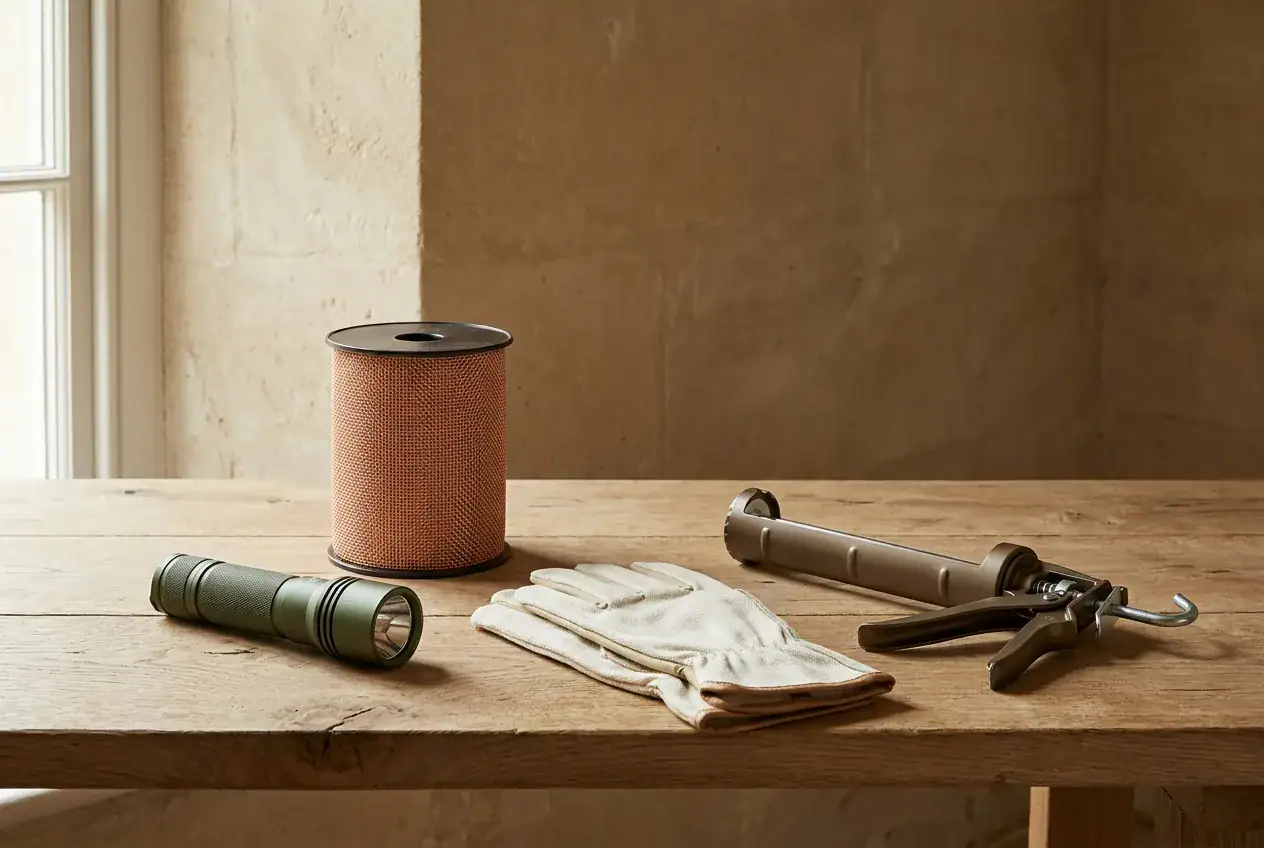
Prevention combines building repairs, food control and monitoring. One scent or gadget is not a replacement for that work.
Less guessing. More direction.
Tell us what you’ve noticed. We’ll point you to a practical starting point and the guides that fit your situation.
A rule-based guide finder, not an infestation diagnosis or a substitute for professional advice.
Less guesswork.No answer here establishes species, infestation size, disease risk or a clearance date. A professional inspection may change the plan.
The practical method
Five connected habits for removal and prevention—not a promise of an overnight fix.
Look for droppings, gnaw marks and nesting material without disturbing them. Sounds alone don’t confirm mice.
Repair small gaps with suitable rodent-resistant materials. Use metal, hardware cloth or other durable repairs for larger openings. Don’t block required ventilation.
Use mouse-sized snap traps as directed, with the baited end against the wall. Keep traps away from children and pets, and check them daily.
Wear rubber or plastic gloves. Wet droppings thoroughly with disinfectant, wait 5 minutes or follow its label, then wipe up. Never mix cleaning chemicals.
Store food and pet food in sturdy, lidded containers. Reduce clutter, fix leaks, and keep checking traps and signs of new activity.
These actions work together. Don’t wait for a later “step” to protect people from contamination or remove accessible food. Read the safety sources.
The field-guide library
Go straight to the situation you’re facing. Start with safety, then work through the details.
Connect inspection, trapping, sealing and monitoring into one practical approach.
Read the guide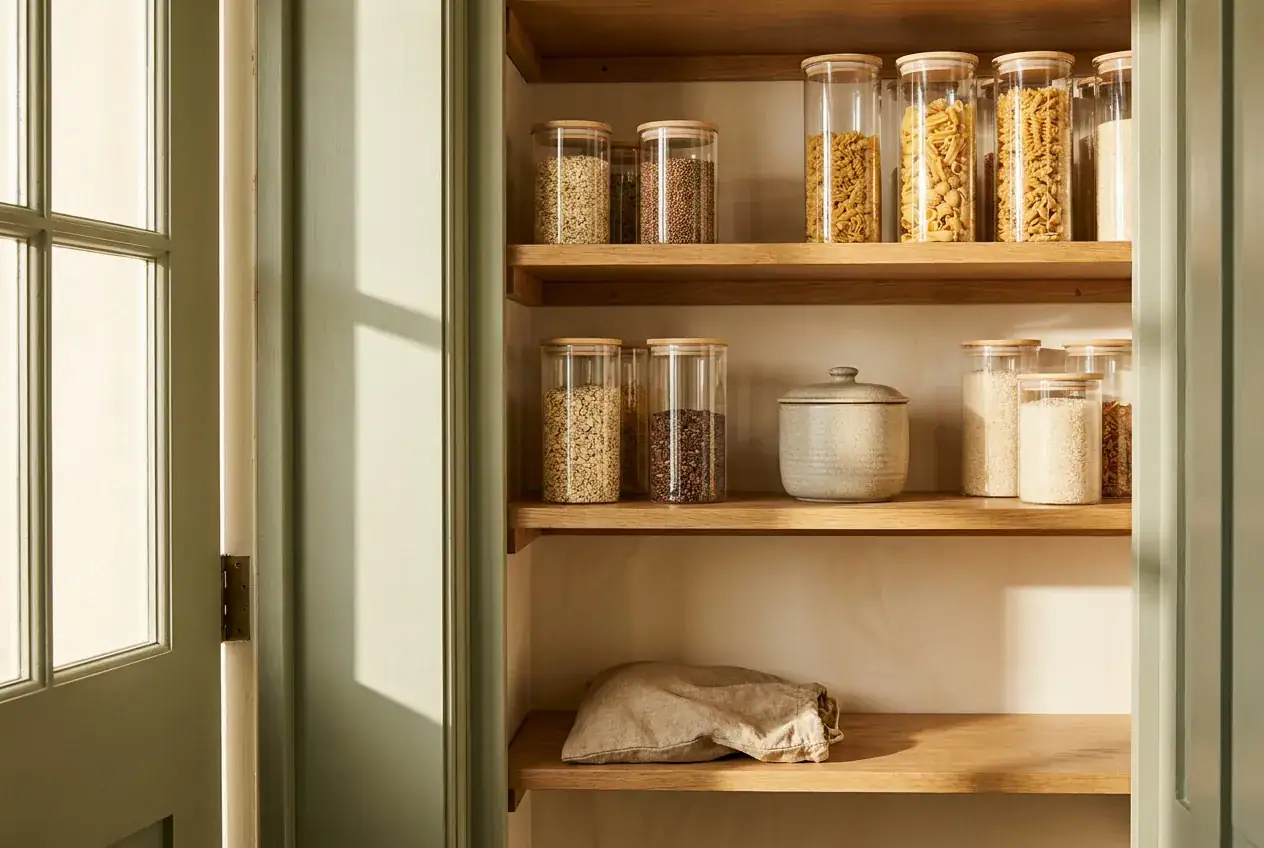
Know what to look for in the pantry, along baseboards and behind appliances.
Read the guideUnderstand wet cleanup, protective equipment and when to bring in a professional.
Read the guideFollow active routes, orient traps correctly and keep them out of reach.
Read the guideFind common entry points and choose durable repairs that suit the opening.
Read the guideInvestigate safely without cutting into walls or placing loose poison in cavities.
Read the guideTry “droppings,” “traps” or “walls”—or browse the full article library.
Separate cabin cleanup from engine-bay, air-intake and wiring concerns. Ask a mechanic when access or damage is uncertain.
Read the guidance ↗Choose a rodent-control provider carefully and check licensing requirements before hiring.
Read the guidance ↗Showing all 8 guides.
A record beats a guess
Keep factual notes for yourself, your building manager or a professional. No severity score. No automatic “all clear.”
Record the same areas consistently. “No signs observed” describes one check; it does not prove that mice are gone.
No observations saved yet.
Notes stay in this browser when storage is available. Nothing is submitted. Avoid personal, medical or address information on shared devices.
Advice, with the receipts
Mice Gone Guide is an independent homeowner resource—not a pest-control service. The safety advice on this homepage draws on the public-health and pest-control guidance linked here.
Alexios PapaioannouFounder & lead researcher · About the author ↗Wet disinfection, gloves and special precautions for heavy contamination.
Snap traps, daily checks, and child and pet precautions.
Entry points, repair materials and food-source control.
Control options, bait stations and pesticide-label precautions.
Check qualifications and choose a provider carefully.
Primary-source guidance checked September 7, 2026. References do not imply endorsement. General education; follow product labels and local requirements. All lifestyle, inspection and tool photographs are AI-generated illustrations—not evidence of actual jobs, measured gaps or field tests.
A little more clarity
Straight answers to common mouse-control questions. No miracle fixes required.
Not sure where to start?Keep children and pets away from the area. Look for signs without disturbing droppings, secure accessible food, check entry points, and use suitable snap traps according to the instructions. If contamination is heavy or activity is inside ventilation ducts, contact a qualified professional. Sources: CDC cleanup guidance and CDC trapping guidance.
No. Do not sweep or vacuum rodent droppings, urine or nesting material, because this can put contaminated particles into the air. Wear rubber or plastic gloves, wet the waste with disinfectant, and let it soak for 5 minutes or as directed on the label before wiping it up. Follow the full CDC cleanup instructions, including ventilation and disposal steps.
There is no reliable deadline for every home. Results depend on the number of mice, entry points, available food and trap placement. Check traps daily and continue monitoring for new activity. If trapping is not resolving the problem, get professional help rather than relying on a fixed 7- or 14-day promise. CDC trapping guidance.
No trap or pesticide should be treated as automatically “pet-safe.” Place traps and baits where children and pets cannot reach them. If a rodenticide is used, follow its label and use the required tamper-resistant station; tamper resistance is not a guarantee against exposure. Read the EPA precautions.
CDC recommends traditional snap traps for household rodent control and advises against live traps and glue traps because stressed rodents may urinate and increase disease-exposure risk. Always follow device instructions and keep traps away from children and pets. Read the CDC recommendation.
Get qualified help for heavy contamination, rodents in air ducts, inaccessible nesting areas or recurring activity that trapping has not resolved. Suspected chewed wiring also needs assessment by a qualified electrician; do not handle damaged wiring. If you become ill after rodent exposure, contact a healthcare provider and mention the exposure. CDC cleanup guidance.

For the place you call home
A clearer path from “I think we have mice” to your next sensible action.
Find my next step Keep an observation record ↗