
Mice can contaminate food, surfaces, insulation, and stored items with droppings, urine, saliva, and nesting material. Most household encounters do not mean someone will become sick, but cleanup should be handled carefully: ventilate, wear gloves, wet contaminated material with disinfectant, avoid dry sweeping or vacuuming, and contact a clinician for concerning symptoms.
Direct answer: Mice can spread germs indirectly through droppings, urine, saliva, nesting material, contaminated dust, bites, and parasites. The practical risk depends on the amount of contamination, ventilation, cleanup method, and local disease patterns. Do not panic, but do not dry sweep or vacuum mouse waste.
Who this guide is for

- Homeowners or renters who found mouse droppings, urine odor, nesting material, or chewed food packages.
- People cleaning pantries, cabinets, garages, attics, sheds, storage boxes, or vehicles after mouse activity.
- Readers who want realistic health-risk guidance without scare claims or unsupported symptom lists.
Who should skip DIY cleanup and get help
- You find heavy contamination across multiple rooms, insulation, HVAC areas, or enclosed storage spaces.
- You are pregnant, immunocompromised, have respiratory disease, or cannot safely wear PPE.
- You have fever, severe headache, breathing trouble, chest tightness, unusual fatigue, vomiting, or symptoms after a known rodent exposure.
- You were bitten or scratched by a rodent. Wash the wound and ask a clinician about next steps.
Mouse-related risks at a glance
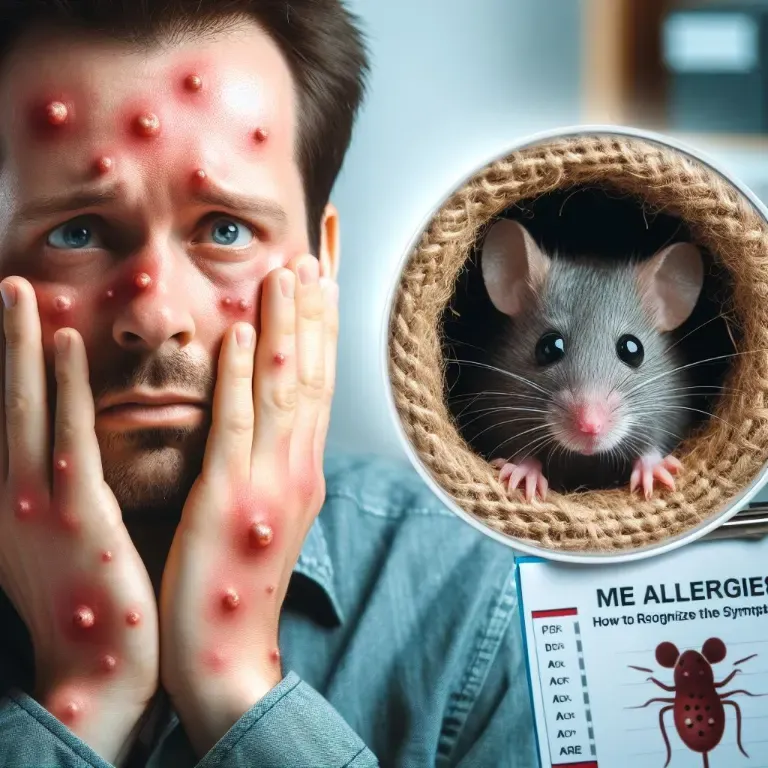
| Risk route | What it means | What to do next |
|---|---|---|
| Droppings and urine | Can contaminate shelves, drawers, food packages, boxes, and dust. | Ventilate, wet with disinfectant, wipe, bag waste, and wash hands. |
| Nesting material | May contain droppings, urine, fur, shredded paper, fabric, or insulation. | Do not shake or sweep it. Wet first, then remove carefully. |
| Food contamination | Gnawed packaging or droppings near food make the food unsafe to keep. | Discard contaminated food and upgrade storage to sealed containers. |
| Dust exposure | Dry sweeping, vacuuming, or blowing out debris can aerosolize particles. | Avoid dry disturbance. Use wet cleanup and appropriate PPE. |
| Bites and scratches | Less common indoors, but direct contact can introduce germs. | Wash thoroughly and contact a healthcare professional. |
| Fleas, mites, or ticks | Rodents can carry parasites that may bite people or pets. | Address the mouse problem and ask a pro or vet if bites continue. |
What to do tonight if you found mouse waste
- Keep people and pets away from the contaminated area until it is cleaned.
- Open doors or windows for ventilation when practical before cleanup.
- Put on gloves and avoid touching your face while working.
- Do not vacuum, sweep, or blow the droppings. Dry disturbance is the mistake to avoid.
- Wet the area with disinfectant or an appropriate bleach solution and let it soak before wiping.
- Bag waste securely, dispose of it, clean tools, and wash hands thoroughly.
- Then solve the source: remove food access, place traps correctly, and seal entry points.
Diseases from mice: real risks without panic

Mouse activity is a household safety issue because rodents can contaminate surfaces and stored items. The exact disease risk varies by region, species, exposure level, and cleanup behavior. The most useful homeowner approach is not to memorize every possible disease. It is to reduce exposure, clean safely, prevent dust, and stop the infestation from continuing.
Some rodent-associated illnesses are more relevant in specific regions or exposure settings. That is why this page avoids universal claims such as “all mouse droppings are deadly” or “mice always carry disease.” Those statements are not useful. The safer guidance is: treat rodent waste as potentially contaminated and follow public-health cleanup steps.
Call a doctor or urgent-care provider if…
- You develop fever, chills, severe headache, muscle aches, breathing trouble, chest pain, persistent vomiting, or unusual weakness after rodent exposure.
- You cleaned heavy rodent contamination without PPE or accidentally vacuumed/swept dry droppings in an enclosed space.
- You were bitten or scratched by a mouse or handled a dead rodent bare-handed.
- You have a higher-risk medical condition and were exposed to rodent waste.
This guide is not medical advice. When symptoms or high-risk exposure are involved, a clinician or local health department is the right source for diagnosis and treatment.
How to lower the risk after cleanup

- Seal entry points: close gaps around pipes, doors, vents, utility lines, and foundation edges.
- Remove food incentives: store pantry food, pet food, birdseed, and bulk goods in sealed containers.
- Use targeted trapping: place traps along walls and active routes instead of relying on scent repellents.
- Monitor for new droppings: check cleaned areas and traps repeatedly for new signs. A quiet 7–14-day observation period cannot prove clearance or establish disease status.
- Escalate when needed: call a pest professional for heavy activity, attic contamination, wall voids, or repeated re-entry.
Common mistakes
- Vacuuming first: this can spread dust before the area is disinfected.
- Only cleaning visible droppings: mice often travel along hidden wall edges, behind appliances, and inside cabinets.
- Using scent remedies as the main fix: odors do not remove food, seal holes, or reduce an active population.
- Ignoring contaminated food packaging: gnawed or soiled food should be discarded.
- Cleaning before documenting: renters should photograph evidence before cleanup when landlord action may be needed.
FAQ
Can mouse droppings make you sick?
They can, especially if contaminated material is handled poorly or stirred into dust. The safest approach is to treat droppings as potentially contaminated and follow wet cleanup guidance.
Is it safe to vacuum mouse droppings?
No. CDC guidance says not to vacuum or sweep rodent urine, droppings, or nesting material. Wet the material with disinfectant first and wipe it up carefully.
Should I throw away food near mouse droppings?
Discard food that is gnawed, open, soiled, or directly exposed to droppings or urine. Clean shelves and switch remaining food to sealed containers.
Do mice in the house always mean disease?
No. A mouse sighting does not mean illness is inevitable. It does mean you should reduce exposure, clean safely, and stop the mouse activity quickly.
When should I call a professional?
Call a pro for large amounts of droppings, nests in insulation, repeated activity after trapping, dead-rodent odor, or contamination in HVAC, attics, crawl spaces, or vehicles.
Sources
- CDC: How to Clean Up After Rodents
- CDC: Rodents and Health
- EPA: Rodenticides and safety information
- UC IPM: House Mouse
Related next reads
- Mouse Cleanup Safety Hub
- How to Remove Mice Droppings Safely
- Signs of Mice Infestation
- How to Get Rid of Mice
Author/reviewer note: This page is maintained by Mice Gone Guide and reviewed for practical safety, source quality, and consistency with CDC-style rodent cleanup guidance. Last reviewed April 2026.

Alexios Papaioannou is the founder and lead editor of Mice Gone Guide. He oversees research, article review, and content updates focused on mouse prevention, humane control, home proofing, and safety-first household guidance.