
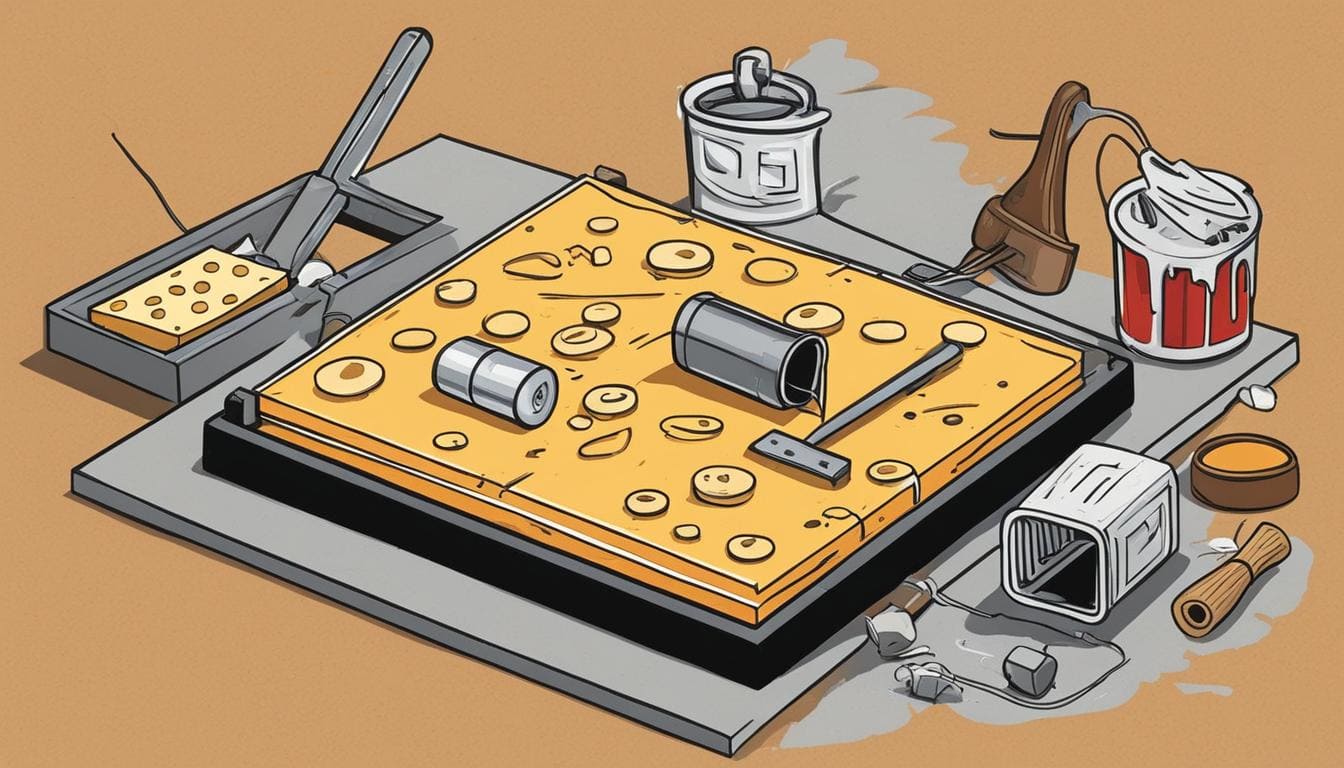
Mice problem action box
Need mice gone fast? Choose DIY control or professional help before activity spreads.
DIY trapping can work for light activity, but recurring droppings, attic noises, wall sounds, insulation contamination, or mice returning after sealing may require a professional inspection. Use the checklist below to act quickly and safely.
Disclosure: Some product links may be affiliate links. If you buy through them, we may earn a commission at no extra cost to you. For heavy contamination, illness risk, or unsafe areas, contact a qualified professional.
Apartment mouse removal
How to Get Rid of Mice in an Apartment: A Renter-Safe Step-by-Step Plan
A practical apartment guide for documenting evidence, protecting food, using safe in-unit controls, communicating with management, and avoiding building-system mistakes.
Direct answer
In an apartment, control what is safely inside your unit and document what may be a building-level route. Photograph droppings, food damage, gnawing, and gaps; protect food and pet food; use protected traps on confirmed in-unit travel edges where permitted; clean visible rodent waste with a wet method; and notify the landlord or property manager about shared walls, utility penetrations, hallways, trash areas, or structural gaps. Do not cut into walls, block vents, alter plumbing or electrical openings, or use bait in shared spaces without authorization.
Why apartment mouse control needs a different plan
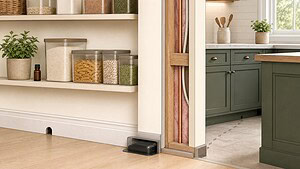
A mouse problem in a rental unit may involve more than your own housekeeping. Mice can move through shared walls, pipe chases, utility penetrations, basements, garages, trash areas, adjacent units, and common building systems. You can reduce food access and treat a safe in-unit route, but a structural gap or shared-area issue often requires management action. Good documentation makes that conversation more precise.
Do not wait for perfect proof before reporting an issue. A simple record of the date, room, evidence, photos, and any likely gap gives a landlord or maintenance team useful facts. Keep the communication focused on observed conditions rather than claiming a diagnosis. Ask for an inspection of shared routes, pipe penetrations, door gaps, and common areas relevant to the evidence.
Renter-safe apartment action plan
- Document the evidence. Photograph droppings, damage, nests, sounds, and gaps before cleaning. Note the room and exact location.
- Protect food and reduce easy access. Use lidded containers for dry food, pet food, snacks, and seed; clean crumbs; empty trash regularly; reduce clutter near walls and cabinets.
- Clean visible waste safely. Do not sweep or vacuum droppings dry. Use the wet cleanup sequence on accessible surfaces.
- Use safe in-unit control where permitted. Put protected traps on evidence-backed wall routes where children, pets, and non-target animals cannot reach them. Check them consistently.
- Report building-level indicators. Notify management about gaps around pipes, recurring activity near shared walls, common-area signs, door defects, or suspected exterior access.
- Do not alter building systems. Do not fill unknown openings, block vents, cut walls, disconnect appliances, or place pesticides in common areas without authorization.
- Monitor the same points. Record new signs after cleaning, trapping, and repairs so you can tell whether activity is declining or the route remains active.
What to tell your landlord or property manager

Keep the request factual. Include the unit number, date, room, photos, evidence type, and suspected building condition. For example: “I found new droppings under the kitchen sink beside an open pipe penetration on [date]. I cleaned the visible waste safely, secured food, and placed a protected trap in the unit. Please inspect the pipe opening, adjacent units or shared route as appropriate, and confirm the repair plan.” Avoid assuming the exact source; request inspection and repair of the route.
Ask whether maintenance will inspect shared areas, seal documented structural gaps, coordinate access with adjacent units if necessary, and provide a follow-up plan. Save written communications. Local landlord-tenant requirements differ, so this guide does not offer legal advice; it gives a practical record that can support a maintenance request.
Apartment decision table
| What you find | What you can do safely in the unit | What to report |
|---|---|---|
| Droppings under a sink or behind cabinets | Wet-clean visible waste, secure food, place a protected trap where permitted. | Pipe penetrations, cabinet gaps, and recurring activity. |
| Signs near a shared wall | Document sound or evidence, reduce food access, monitor a safe accessible edge. | Shared-wall activity and need for inspection beyond the unit. |
| Door or window gap | Use temporary renter-safe measures only if allowed and safe. | Damaged weather stripping, thresholds, screens, or frames needing building repair. |
| Common-area or trash-room signs | Keep the unit clean and report the location; do not place traps or bait without authorization. | Common-area sanitation and access conditions. |
What not to do in an apartment
- Do not use a scent product as a substitute for documentation, food control, traps, cleanup, and repair.
- Do not use loose poison or place bait in hallways, shared spaces, or utility areas without explicit authorization and label-compliant control.
- Do not fill unknown pipe, vent, or electrical openings with foam, fabric, or mesh.
- Do not dry sweep or vacuum rodent waste.
- Do not ignore a recurring pattern simply because you caught one mouse.
Frequently asked questions
Should I tell my landlord if I see one mouse?
Report observed evidence promptly, especially if it involves shared walls, utility gaps, common areas, or repeated signs. Photos and a dated record make the maintenance request more useful.
Can I set mouse traps in my apartment?
Use only safe, permitted in-unit controls and keep them inaccessible to children, pets, and non-target animals. Place them on confirmed travel edges and check them consistently.
Can I seal gaps in a rental apartment myself?
Do not alter unknown building systems or structural openings. Report gaps around pipes, vents, windows, doors, or shared walls to management and ask for an appropriate repair.
What if mice keep coming back after I clean?
New signs mean the access route or activity is still active. Update your evidence record, review food storage and trap placement, and ask management to inspect building-level routes.
Next steps
Use the main removal plan for the full sequence, cleanup safety for visible waste, and mouse proofing to understand the repair logic you should ask management to inspect.
Sources: CDC cleanup guidance; CDC seal-up guidance; CDC trap guidance.

Alexios Papaioannou is the founder and lead editor of Mice Gone Guide. He oversees research, article review, and content updates focused on mouse prevention, humane control, home proofing, and safety-first household guidance.