
Ethical Wildlife & Rodent Control
Humane Mouse Traps: Catch-and-Release Guide & Welfare Rules
Direct Answer: The Truth About Live-Catch Traps
Live-capture is not automatically the safer or more humane household choice. CDC advises against live traps and glue traps because frightened rodents can urinate, increasing exposure risk. Relocation has significant welfare, legal and ecological limits, and does not replace exclusion or food sanitation. Review the welfare requirements and local legal restrictions below, and consult the CDC trapping guidance.
When Live-Catch Trapping Is & Is NOT Suitable
| Decision Factor | Live-Catch May Be Feasible | Live-Catch Is Inappropriate |
|---|---|---|
| Evidence and identification | A professional has identified the animal and assessed the available control options. | Noise, a sighting or dropping counts do not reliably establish species or population. |
| Checking Schedule | Checking requirements are confirmed with the product instructions and qualified advice. | You cannot provide the required monitoring or safe handling; do not set a live trap. |
| Release Destination | A local authority has confirmed whether relocation is permitted and appropriate. | No confirmed lawful and appropriate disposition; a distance alone is not sufficient. |
| Exposure and access | Prevent contact with rodents and waste; no household category makes handling risk-free. | Obtain qualified advice when safe separation, cleanup or monitoring cannot be achieved. |
Evidence behind the advice
How we assess options: This is an evidence-based editorial assessment, not hands-on testing. CDC supplies public-health recommendations; UC IPM supplies extension guidance; manufacturer pages support specifications only. Household fit is editorial judgment, not a measured ranking or a guarantee of capture speed, welfare, or safety.
CDC recommends traditional, appropriately sized snap traps, keeping traps and bait away from children and pets, and daily checks. It advises against live and glue traps because frightened rodents may urinate and increase illness risk.[1]
UC IPM supports placing traps near confirmed activity and combining trapping with sanitation and exclusion. It says the best bait is often the food house mice are already eating and advises a small amount on the trigger plate.[2]
Use cases: preference versus practical suitability
No-kill preference: prioritize food control and entry exclusion, and discuss any active infestation with a qualified local professional. Unable to monitor or arrange lawful disposition: do not set a live trap. A mouse is already captured: prevent access by people and pets and obtain prompt qualified handling and disposition advice rather than following a generic release-distance rule. These are decision examples, not reports of field experience.
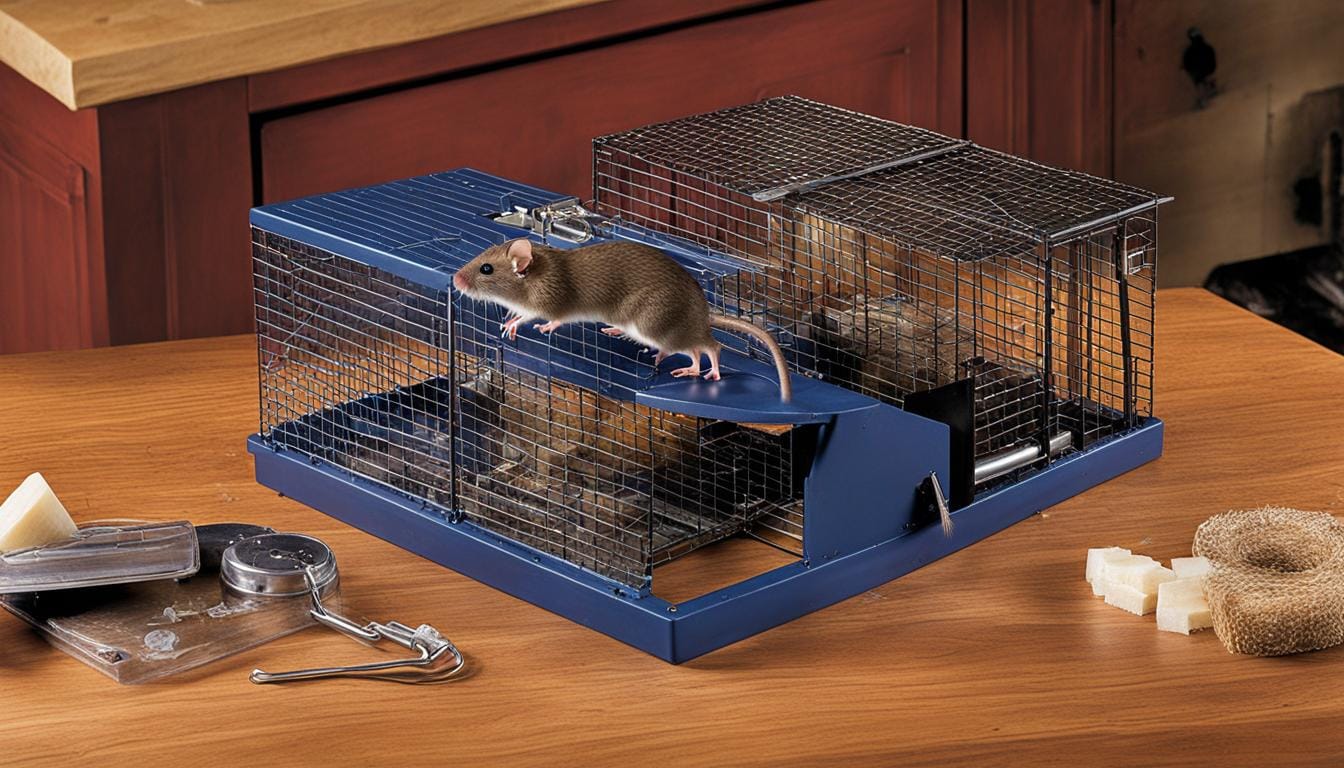
UC IPM describes multi-capture live traps but calls for frequent removal and humane euthanasia, not automatic catch-and-release. It states that relocation off the capture property in California requires a special permit and describes risks from predators, aggression and exposure after release. That is California-specific guidance, not a statement of law everywhere.[2]
Limitations before choosing a product
No trap is automatically child-proof or pet-proof, and an enclosure is not permission to allow access. We have no comparative kill-time, sensitivity, or capture-rate measurements for the products linked here. Neither a checking interval, a release distance nor an estimated mouse count establishes welfare, legality or successful control. If safe placement, monitoring or handling is not achievable, obtain qualified help.
Implementation: seek advice before capture
papalex-20), we evaluate category engineering rather than sponsored claims. We do not recommend glue boards under any circumstance.
In This Live-Catch Guide:
- When Live-Catch Trapping Is & Is NOT Suitable
- Interactive Live-Capture Decision Checklist
- CDC’s Position on Live Traps & Glue Boards
- Animal Welfare: Checking Schedules, Dehydration & Stress
- Local Legal and Ecological Rules for Release
- Video Guide: Setting Live Catch Traps Properly
- Re-Entry Risk: Why Trapping Without Exclusion Fails
- Setup Guide for Live-Catch Traps
- When Snap Traps Are the More Humane Choice
- Frequently Asked Questions
CDC’s Position on Live Traps & Glue Boards
Public health guidance from the Centers for Disease Control and Prevention is unambiguous:
- CDC advises against live traps: Frightened rodents can urinate, increasing the chance of exposure when people handle traps or waste. The recommendation is not based on a quiz score. CDC trapping guidance.[1]
- CDC also advises against glue traps: Consider correctly sized snap traps, protected placement, daily checks and manufacturer instructions instead. CDC trapping guidance.[1]
Animal Welfare: Checking Schedules, Dehydration & Stress
Confinement and relocation can harm an animal, and handling can expose people to bites or contaminated material. There is no universal checking schedule that makes live capture safe or humane. Discuss an appropriate method with a qualified professional before setting a trap.[2]
- Do not rely on a generic schedule: Follow the product instructions and qualified local guidance; never set a live trap you cannot monitor as required.
- Do not set a trap you cannot monitor: If an empty trap must be taken out of service, follow its deactivation instructions; do not trigger it by hand or disturb a captured animal.
- Avoid direct handling: Gloves do not reliably prevent bites. Use appropriate protection for cleanup and obtain qualified advice for a captured animal.
Video Guide: Setting Live Catch Traps Properly
The following video illustrates a live-capture product. It does not establish that handling or release is safe, humane or lawful, and it does not replace the CDC recommendation against live traps.[1]
Local Legal and Ecological Rules for Release
- Check the local rules before capture: Confirm whether transport and release are permitted and appropriate for the animal and destination; do not assume permission to release on public or private land.
- Relocation is not a survival guarantee: Weather, shelter, predators and species suitability matter. Do not present outdoor release as an automatically humane solution.[2]
- Other properties and wildlife: Do not transfer a rodent problem to another property or assume that release into public land is permitted.
Re-Entry Risk: Why Trapping Without Exclusion Fails
Trapping alone does not repair access to food or the building. Coordinate control with suitable structural exclusion and continued monitoring. Use the exclusion-material guide without treating a fill material as a permanent guarantee.[2]
Setup Guide for Live-Catch Traps
- Resolve suitability first: CDC recommends snap traps rather than live traps. Obtain qualified identification, handling and lawful disposition advice before considering capture.[1]
- Do not generalize a mechanism: Bait position, ventilation and checking requirements depend on the exact model. A shopping description is not a welfare protocol.
- Avoid direct contact: Gloves do not make handling a live rodent bite-proof. Obtain qualified handling advice and follow CDC precautions for contaminated equipment.
- Follow cleanup instructions: For an empty contaminated trap, follow the manufacturer and CDC cleaning/disinfection instructions. Do not apply disinfectant to a trapped animal.[4]
When Snap Traps Are the More Humane Choice
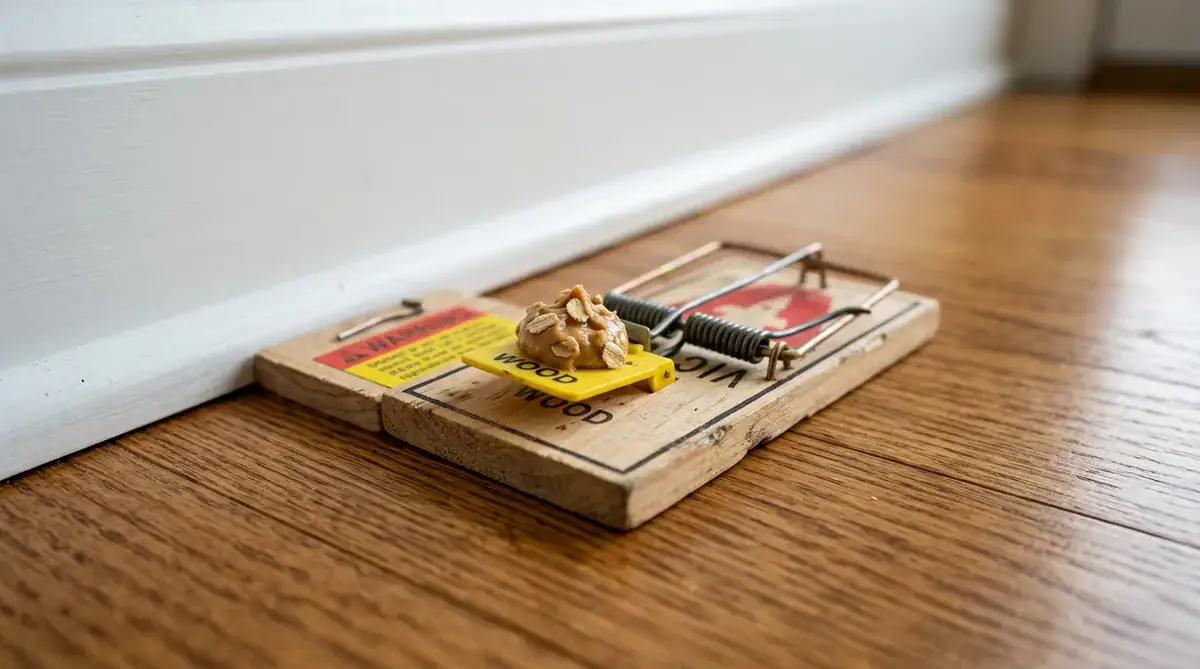
CDC recommends snap traps rather than live or glue traps for household rodent control. Correct trap size, placement, functioning and daily inspection matter; this page does not claim a measured kill time or guarantee a humane outcome for any product. Compare options in our mouse-trap selection guide.[1]
Related: pair this with our DIY mouse traps guide for the full system.
Product verification: no live-trap shopping endorsement
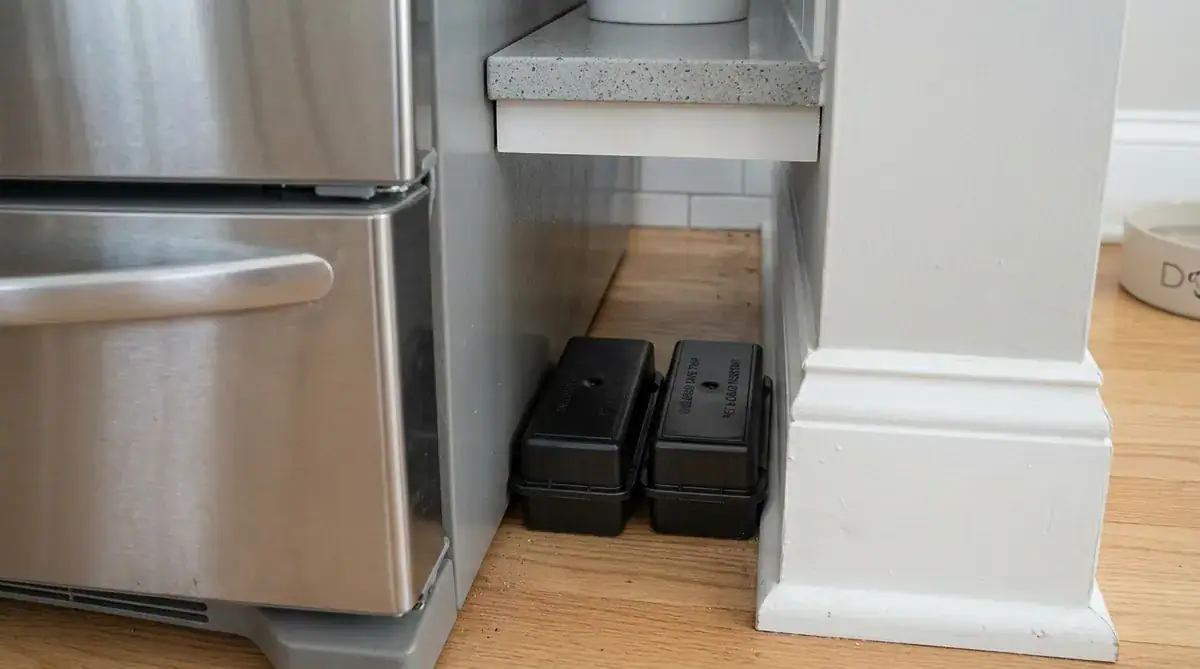
No named live-capture product or affiliate purchase link is present in this authenticated source. We have not verified a live-trap model, measured welfare outcomes, or performed field trials. The retained images and demonstration video are not testing evidence. For household selection, use the linked snap-trap guide while retaining the CDC precautions above.
Frequently Asked Questions
Are humane mouse traps effective for a real infestation?
Live-capture performance and animal welfare cannot be guaranteed from an estimated mouse count or checking interval. CDC advises against live traps for household rodent control. Combine appropriate trapping with safe cleanup, food storage and structural exclusion; get qualified help when identification or handling is uncertain.[1]
Do humane mouse traps really work?
Live traps can capture mice, but capture does not establish safe handling, lawful relocation or lasting control. CDC recommends snap traps instead of live or glue traps. Food storage, suitable exclusion and monitoring remain necessary.[1]
Why doesn’t the CDC recommend live traps?
CDC explains that frightened rodents may urinate, increasing the chance of exposure when handled. Waste appearance or a questionnaire cannot determine whether infection is present. Avoid direct handling and follow public-health cleanup guidance.[1]
How far away should I release a mouse?
There is no universal safe, lawful or humane release distance. Local rules, species and the proposed destination matter. Consult the relevant local wildlife authority or a qualified pest professional before capture or relocation.[2]
Primary sources used for this assessment
- [1] CDC: How to Trap Up to Remove Rodents
- [2] UC IPM: House Mouse Pest Notes
- [4] CDC: How to Clean Up After Rodents
Manufacturer specifications are not independent performance or welfare validation. Existing reference links below are retained for continuity; the numbered sources above support this revision.
References & Ethical Standards:

Alexios Papaioannou is the founder and lead editor of Mice Gone Guide. He oversees research, article review, and content updates focused on mouse prevention, humane control, home proofing, and safety-first household guidance.