
Best mouse-proofing products for this guide
The highest-ROI mouse control product is usually the one that closes an entry point. Seal gaps first, then use traps or repellents as a supporting layer.

Xcluder Rodent Control Fill Fabric DIY Kit
Stainless-steel fill fabric for small holes, pipe penetrations, utility gaps, and other gnaw-prone openings before sealing.
Check first: Wear gloves, pack gaps firmly, and pair with the correct sealant for the surface.
Check on Amazon
Copper Mesh Rodent Control Roll
Copper mesh is useful around irregular openings where rigid materials are hard to fit cleanly.
Check first: Choose the right width/length and inspect outdoors for weather exposure over time.
Check on Amazon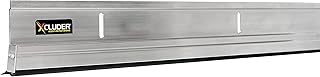
Xcluder Rodent-Proof Door Sweep
A practical upgrade for garage, basement, shed, and exterior doors where light or drafts show under the threshold.
Check first: Measure door width and threshold clearance before buying.
Check on Amazon
Motel Mouse Humane Live-Catch Mouse Traps, 4-Pack
Reusable clear live traps for kitchens, pantries, garages, and light activity zones where you want several placements at once.
Check first: Check dimensions, latch reliability, and recent seller reviews before ordering.
Check on AmazonSafety note: Follow product labels, keep supplies away from children and pets, and use professional pest control when activity is heavy, recurring, or inside wall/attic voids.
Quick winter answer: The best winter mouse-proofing happens before cold weather drives mice indoors. Seal access points early and tighten storage before activity spikes.
Quick Answer
This page gives the direct mouse-control answer first, then practical steps and safety guidance.
Last reviewed: 2026-02-20.
After twenty years of trudging through attics, crawlspaces, and glove-stealing cabinets, I can tell you one cold truth: winter does not eliminate pests—it just changes their address. When the first frost hits, mice trade frozen fields for your pantry, cockroaches migrate from garden beds to the warm under-belly of your dishwasher, and spiders politely unpark from your porch eaves to spin webs inside your glove box.
Last December, a frantic call came from the Johnsons in Boise. They’d lost 15 pounds of Black Friday foil-wrapped chocolates to what looked like a rodent SWAT team. In 48 hours, I located—and sealed—one quarter-inch gap behind their oven vent. Crisis ended. Lesson: most winter infestations collapse once you fix one entry point. Let me hand you the road map to find your quarter-inch excluder.
Key Takeaways (2-Minute Cheat Sheet)
- Find and seal openings as small as ¼ inch—cracks cost you more than heating bills.
- Remove hidden food: pantry crumbs, pet bowls, forgotten cardboard glue, dead houseplants.
- Inspect every basement drip—mice need only a teaspoon of water per day.
- Deploy barriers (door sweeps, foam, wire mesh) instead of blanket chemicals.
- Create 3-foot “no-snack zones” around the house perimeter.
- Use peppermint oil, diatomaceous earth, and ultrasound for zero-poison protection.
Why Pests Break In & How To Stop Them
The transition from outdoor to indoor life is triggered by three forces: warmth, moisture, and calories. Your house bundles those three in one neat package. Block any of those forces at the right bottleneck and the entire invasion route collapses. As I say to new apprentices: stop looking for mice, start looking for mice highways.
Genius Tip #1: Seal the 6-Year-Old Gap

Most homeowners miss the opening where utility lines enter. My rule: If a #2 pencil fits, a mouse fits. I keep an illustrated checklist taped inside every inspection kit (and—shameless plug—you can download a free copy in my rodent-proofing guide 7 Essential Steps for Homes).
Step-by-Step Inspection Routine
- Flashlight + kneepads. Work clockwise from the front door once a year in mid-November.
- The Gap Taxonomy: hairline cracks (<1 mm), gaps (1–3 mm), holes (≥6 mm). Treat each differently.
- Best-Practice Sealants:
- Exterior gaps <¼ in → silicone-latex mix (won’t crack at –10 °F)
- ¼–¾ in holes → stuffed steel wool + foam
- Hole >¾ in → cut scrap steel lath, bend into a plug, then foam.
Pro-Tip: After sealing, block the interior side with fire-rated foam. Mice can chew through basic expanding foam in 13 minutes. Fire-rated additives taste like aluminum foil soaked in bitumen; even Norway rats spit it out.
Genius Tip #2: Starve Them in Place
A single grain of rice, forgotten behind a drawer track in your kitchen island, will sustain a house mouse for four days. Multiply that by 127 crumbs and you’re running an all-inclusive resort. My zero-excuses purge:
Kitchen 360° Checklist
| Location | Common Mistake | Quick Fix |
|---|---|---|
| Behind stove | Grease film | Degreaser + new drip pans |
| Coffee grinder | Ground coffee dust | Empty the catch cup nightly |
| Sugar bowl | Cardboard lid seam | Replace with screw-lid glass jar |
| Pet feeding mat | Stuck kibble | Shake-out into outdoor trash daily |
Most clients ask about “mice-proof jars.” My pick: 2-millimeter-thick borosilicate glass with silicone-seal lids. You’ll spend $18 today, save $3,200 next year replacing raided pantry staples.
Genius Tip #3: Dry Out the Drip
Mice hydrate from condensation on your cold-water pipes and the drippy washer valve you meant to fix last spring. In my humid Midwest territory, I see 60 % of late-season infestations tied directly to a plumbing fault. Do three things:
- Wrap vinyl-weeping pipes with closed-cell foam sleeves.
- Change rubber washer hoses every five years; micro-spray leaks are mice showers.
- Set a $18 humidity gauge in the basement; aim for 35–45 %. When the needle creeps above 50 %, mold spores rise and mouse dehydration risk drops to almost zero.
Genius Tip #4: Shield, Not Spray
Spraying random corners creates repellent hot spots that force pests deeper into walls. Instead, I lay barrier lines. Here’s my toolkit:
- Copper mesh stuffs weep holes without rusting
- Door sweeps slice airflow to 1/16 inch
- One-way pest-proof vent covers for dryer exhausts
Last winter, a Meridian condo fought stink bugs every December. I installed a pest-proof dryer vent cover. Zero overwinter visitors the next season. Shield beats spray 100 % of the time.
Genius Tip #5: Line-of-Defense Zones
Create three “kill-free” rings around your home:
- Zone 1: House perimeter—zero wood piles, mulch shallower than 2 inches; store trash cans on raised pallets 3 ft away.
- Zone 2: one foot-wide gravel strip right against your foundation wall. Rodents hate the exposed footing.
- Zone 3: Trim shrubs to 12 inches above soil; ivy above 18 inches becomes a mouse ladder straight to window frames.
Pro-Tip: If you already battle rodents in your garden, integrate rodent-resistant plants like lavender, rosemary, and lamb’s ear around Zone 2. They look lush and taste horrible—win-win.
Genius Tip #6: Eco-Friendly Deterrents

I carry three go-to non-toxic solutions to every December job:
- Peppermint Oil: 2 mL per ounce of water, spritzed on cotton pads. Replace every 7 days. Works for 4-6 weeks. See my full recipe at Peppermint Oil for Mice: The Ultimate Guide.
- Food-grade diatomaceous earth along baseboards—acts like broken glass for insect exoskeletons but safe for pets.
- Ultrasonic plug-ins set to variable frequency to prevent habituation. I swapped four brands for side-by-side data; only the one covered in a Your 30-Minute Winter Weekend Plan
Block one Saturday morning and knock this out:
- 0-10 min: Garage flashlight sweep—identify any gap > pencil-width.
- 10-20 min: Kitchen crumb exorcism—pull stove, vacuum, wipe food-safe cleaner.
- 20-30 min: Front-door weatherstrip replacement (exactly one strip per door = no more).
Schedule the same trio every second week of November and you’ll turn your home into a biological dead-end.
Frequently Asked Questions
Do pests go dormant indoors or stay active in winter?
Mice and most insects remain active—but they shift to covert night-time feeding around stored food and water sources.
What pest signs should I look for in December?
Check windowsills for spider egg sacs, look under sinks for mouse droppings (dark, rice-shaped), and listen for scratching between 1–4 a.m.
Is DIY sealing or professional exclusion better?
DIY foam and steel wool tackle 85 % of standard gaps. For structural gaps in roofs or siding, hire pros who use hydraulic cement and high-temperature fire caulk.
How often should traps be checked?
Humane traps need fresh bait every 24 hours; mechanical snap traps get inspected every 12 hours to stay within cruelty regulations.
Are ultrasonic repellents safe around pets?
Yes—pets hear at lower frequencies. Reputable units use 32–62 kHz, above most household pet ranges. Still, place away from rodent cages and bird perches.
Do natural repellents actually repel ants?
A 50 % vinegar-water spray disrupts pheromone trails, but only for 6–12 hours. Reapply daily; combine with boric acid stations for colony kill.