
Affiliate disclosure: As an Amazon Associate, Mice Gone Guide earns from qualifying purchases. Recommendations are selected to support the safety-first advice on this page, not to replace inspection, sanitation, exclusion, safe cleanup, or professional help when needed.
Eco-friendly control
Eco-friendly mouse control is not about buying the greenest gadget. It is about using the least-risk effective steps first: exclusion, sanitation, targeted trapping, safe cleanup, and careful monitoring.
Quick answer
The most eco-friendly rodent control is prevention-first IPM: seal entry points, remove food and shelter, use targeted traps when needed, avoid unnecessary rodenticides, clean safely, and monitor. Repellents may help in limited areas, but they should not be marketed as harmless or complete solutions.
Helpful video: integrated rodent management for a lower-toxicity plan
Eco-friendly rodent control works best when it follows integrated pest management: sanitation, exclusion, monitoring, trapping, and targeted products only when justified.
Use the video for
- Choose the least-toxic effective tool for the actual problem stage.
- Use physical exclusion and food control as the foundation.
- Keep product labels, child safety, pet safety, and wildlife risk at the center of every recommendation.
Do not take it as
- Do not describe a product as eco-friendly if it only moves rodents to another room.
- Do not present repellents as a complete substitute for trapping or exclusion.
- Do not use outdoor baits casually without understanding label and safety requirements.
Editorial note: the video is included to make the guide easier to understand visually. The written checklist on this page is the recommended action sequence for Mice Gone Guide readers.
Eco-friendly product filter
Use this section as the practical bridge between reading and taking action. It keeps the advice specific, measurable, and safer for real homes.
What eco-friendly rodent control really means
An eco-friendly plan reduces unnecessary chemical exposure, protects pets and non-target wildlife, avoids contamination, and fixes the building conditions that let mice or rats survive. A repellent alone does not meet that standard if rodents remain active behind walls, in insulation, or near food.
For broader prevention, connect this page to eco-friendly mouse proofing, the mouse proofing hub, and how to keep mice away from your home.
Eco-friendly options ranked by long-term value
| Option | Eco value | Limit | Best use |
|---|---|---|---|
| Exclusion materials | Very high | Requires inspection and correct installation | Stop repeat entry |
| Food and waste control | Very high | Must be maintained | Reduce attraction |
| Targeted snap or enclosed traps | High when placed safely | Requires checking and disposal | Active indoor mice |
| Live traps | Variable | Stress, release laws, and re-entry issues | Single mouse situations with a plan |
| Plant-based repellents | Moderate/low | Fades and does not remove mice | Supplemental prevention |
| Ultrasonic devices | Chemical-free but uncertain | Blocked by walls and clutter; mice may adapt | Optional support only |
The eco-friendly sequence
Inspect before treating
Find droppings, gnawing, food damage, burrows, rub marks, wall noises, and entry gaps before buying products.
Cut food access
Use tight-lid trash, sealed pantry containers, pet-food routines, birdseed storage, and grease cleanup.
Block movement into the building
Seal gaps at doors, pipes, vents, utility lines, siding, garages, foundations, and roofline transitions with gnaw-resistant materials.
Use targeted control, not blanket treatment
Place traps where evidence is strongest. If rodenticide is necessary, follow the label and use appropriate bait stations.
Monitor instead of over-treating
Recheck sealed areas, set monitoring traps in problem zones, and respond to fresh signs quickly.
Greenwashing warning
Be cautious with products that claim to be “humane,” “safe for everything,” “guaranteed,” or “chemical-free” while ignoring entry points and food sources. A device or spray can be low-toxicity and still be ineffective. The goal is not just fewer chemicals; the goal is fewer rodents, fewer exposures, and fewer repeat invasions.
Recommended Amazon tools for lower-toxicity rodent prevention
These choices prioritize exclusion, monitoring, and safer cleanup rather than making poison or scent products the main solution.

Xcluder Rodent Control Fill Fabric Roll, 4 in. x 10 ft.
Best for: Filling small gaps around pipes, utility penetrations, garage edges, and trim transitions before sealing or covering properly.
Why it fits this guide: Exclusion is the long-term fix. This belongs in nearly every rodent-control page because it solves the entry-point problem that repellents cannot solve.
- Stainless-steel wool blend for rodent exclusion
- Better investment than stronger scents
- Use with inspection and durable sealing
Use note: Do not rely on fill fabric alone where weather, movement, or large gaps require hardware cloth, flashing, mortar, or exterior-grade sealant.

Victor Mouse Traps M035-12, Plastic Pedal, 12 Pack
Best for: Targeted trapping along walls, behind appliances, and near fresh droppings when you need to confirm and reduce active mice.
Why it fits this guide: Snap traps are simple, visible, and auditable, which is better for DIY readers than hoping repellents or plug-ins solved the problem.
- Visible results and easy monitoring
- Works with bait and route placement
- Good for active indoor mouse routes
Use note: Place traps where children and pets cannot reach them. Use enclosed placements or covered stations when household access is a concern.

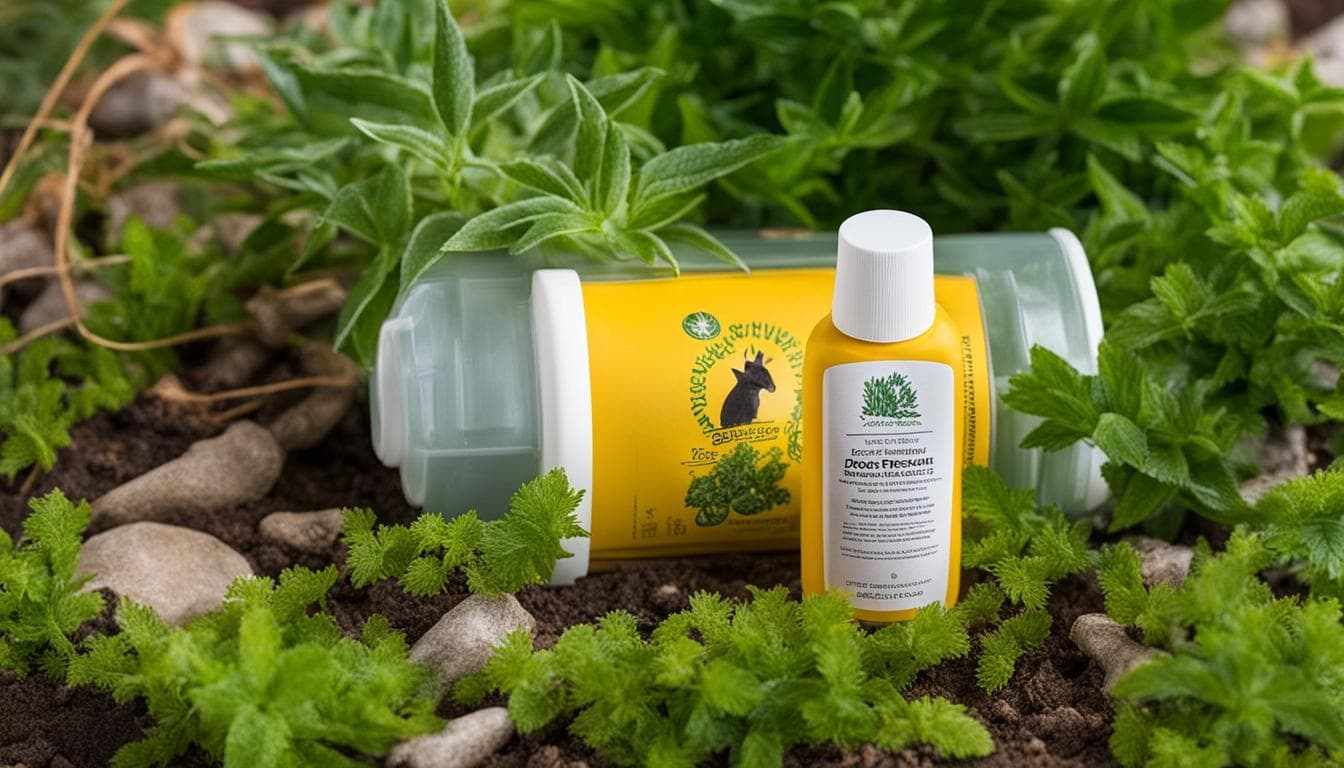
Mighty Mint Peppermint Oil Rodent Repellent Spray
Best for: Small prevention zones after cleanup, sealing, and monitoring are already underway.
Why it fits this guide: Useful when readers want a plant-based scent deterrent for low-risk spaces, but the article should make clear that scent is not removal.
- Plant-based peppermint scent support
- Better for prevention than active infestations
- Pairs with exclusion, sanitation, and traps
Use note: Do not use as the only control method. Keep essential-oil products away from children, pets, food-prep surfaces, and sensitive respiratory situations.
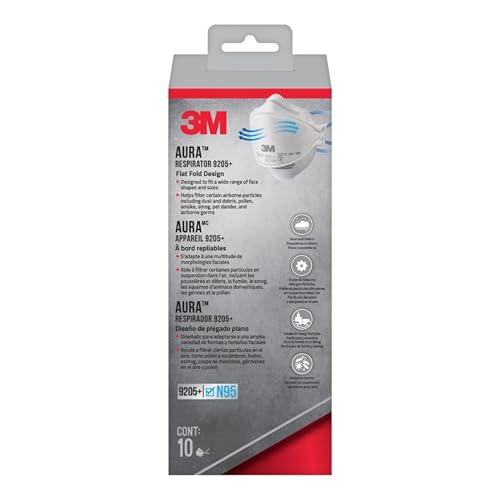
3M Aura Particulate Respirator 9205+ N95, 3 Pack
Best for: Adding respiratory protection during dusty cleanup situations where PPE is appropriate.
Why it fits this guide: Cleanup safety pages need practical gear, and respiratory protection is more useful than another repellent for contaminated storage areas.
- N95 particulate respirator format
- Useful during careful cleanup prep
- Pairs with gloves, disinfectant, and ventilation
Use note: A respirator does not make unsafe cleanup safe by itself. Follow CDC-style wet cleanup steps and escalate heavy contamination.
Bottom line
The greenest rodent plan is the one that solves the cause with the least risk. Prioritize sealing mouse entry points, prevention, and safe cleanup; treat repellents as optional support.
FAQ
What is the most eco-friendly rodent repellent?
The most eco-friendly long-term control is usually exclusion and sanitation, not a repellent. Repellents can support prevention but do not replace sealing and food control.
Are ultrasonic repellents eco-friendly?
They are chemical-free, but chemical-free does not mean effective. Use them only as optional support after proven steps are in place.
Is rodenticide ever eco-friendly?
Rodenticide can create risks for children, pets, and wildlife if misused. Eco-minded control should reduce reliance on bait and follow labels exactly when bait is used.
Can eco-friendly control work in apartments?
Yes, but shared buildings need coordinated sanitation, sealing, waste management, and landlord or property-manager involvement.
Safety sources reviewed
Reviewed against EPA rodenticide safety, CDC cleanup safety, and university IPM principles.

Alexios Papaioannou is the founder and lead editor of Mice Gone Guide. He oversees research, article review, and content updates focused on mouse prevention, humane control, home proofing, and safety-first household guidance.