
Affiliate disclosure: As an Amazon Associate, Mice Gone Guide earns from qualifying purchases. Recommendations are selected to support the safety-first advice on this page, not to replace inspection, sanitation, exclusion, safe cleanup, or professional help when needed.
No-poison mouse control
A natural mouse-control plan should be more than peppermint oil. This page gives a practical week-one sequence for homeowners who want to reduce mice without using loose poisons or exaggerated scent tricks. It is a schedule for organizing work, not a promise of removal in seven days. Adapt the order and pace to access, contamination, recurring evidence, and household safety; do not wait for a scheduled day to address urgent exposure.

Quick answer
To get rid of mice naturally, remove food access, place traps on active runways, clean droppings safely, seal entry points with durable materials, reduce nesting clutter, and monitor for fresh signs. Scent remedies are not established prevention or removal; use sanitation, durable exclusion, trapping and monitoring.
Helpful video: rodent-proofing techniques that matter more than repellents
This video helps readers see what “mouse-proofing” actually means. Natural control is not just peppermint oil; it is removing the pathways mice use to enter and survive indoors.
Use the video for
- Inspect the exterior first: doors, garage corners, vents, siding transitions, and utility penetrations.
- Use gnaw-resistant materials where mice can chew through foam or weak filler.
- Combine sealing with sanitation and trapping so mice are not simply pushed deeper into the structure.
Do not take it as
- Do not seal large or hidden openings blindly if activity is still heavy inside.
- Do not use spray foam alone as a rodent barrier.
- Do not skip follow-up inspections after the first week.
Editorial note: the video is included to make the guide easier to understand visually. The written checklist on this page is the recommended action sequence for Mice Gone Guide readers.
Natural removal decision tree
Use this section as the practical bridge between reading and taking action. It keeps the advice specific, measurable, and safer for real homes.
Before day 1: confirm that the problem is active
Do not start by spraying random corners. Identify the rooms and routes with fresh droppings, gnawing, scratching, food damage, or nesting material. If signs are unclear, use the safe mouse identification guide and the mouse signs hub.

The 7-day natural mouse-control plan
Day 1: remove food rewards
Move pantry goods, pet food, birdseed, and snacks into rigid sealed containers. Clean under appliances, around trash, inside lower cabinets, and beside pet bowls.
Day 2: reduce nesting cover
Remove cardboard stacks, paper piles, fabric clutter, and unused bags from basements, closets, garages, and storage rooms. Mice thrive where they can hide near food.
Day 3: place traps on runways
Set traps along walls, behind appliances, near fresh droppings, and close to suspected entry points. Keep traps protected from children and pets.
Day 4: seal obvious entry routes
Inspect garage corners, door sweeps, foundation gaps, pipe penetrations, dryer vents, utility lines, and siding transitions. Use the mouse-proofing material checklist.
Day 5: clean contamination safely
Do not dry-sweep droppings. Wet contaminated material with disinfectant, wait for contact time, wipe, bag waste, and wash hands. For detail, follow the mouse cleanup safety hub.
Day 6: check repairs and prevention
Check exclusion repairs, stored food and nesting clutter. Do not rely on peppermint oil or plant-based repellents to prevent entry; keep any such products away from pets, children and food surfaces. Related guidance: plant-based repellents
Day 7: monitor and adjust
Look for new droppings, trap activity, gnawing, and sounds. If activity continues, do not add more scent. Recheck food, holes, clutter, and trap placement.
What “natural” should not mean
Natural should not mean ignoring safety. Mouse droppings and nesting material can create health risks, and poorly placed traps can hurt pets or children. A natural plan should reduce unnecessary pesticides while still using proven controls correctly.
| Bad shortcut | Why it fails | Better action |
|---|---|---|
| Only peppermint oil | Does not remove mice or seal holes | Trap and exclude first |
| Only live traps | Does not prevent re-entry | Not recommended by CDC for household control; use appropriate snap traps with sealing and sanitation instead |
| Dry sweeping droppings | Can stir contaminated dust | Wet, wipe, and dispose safely |
| Ignoring exterior gaps | New mice replace trapped mice | Inspect and seal outside routes |

Recommended Amazon tools for the low-toxicity 7-day plan
Use these as practical supports for the plan. The core strategy is still inspection, food control, targeted trapping, exclusion, and safe cleanup.

Victor Mouse Traps M035-12, Plastic Pedal, 12 Pack
Best for: Targeted trapping along walls, behind appliances, and near fresh droppings when you need to confirm and reduce active mice.
Why it fits this guide: Snap traps are simple, visible, and auditable, which is better for DIY readers than hoping repellents or plug-ins solved the problem.
- Visible results and easy monitoring
- Works with bait and route placement
- Good for active indoor mouse routes
Use note: Place traps where children and pets cannot reach them. Use enclosed placements or covered stations when household access is a concern.

Xcluder Rodent Control Fill Fabric Roll, 4 in. x 10 ft.
Best for: Filling small gaps around pipes, utility penetrations, garage edges, and trim transitions before sealing or covering properly.
Why it fits this guide: Exclusion is the long-term fix. This belongs in nearly every rodent-control page because it solves the entry-point problem that repellents cannot solve.
- Stainless-steel wool blend for rodent exclusion
- Better investment than stronger scents
- Use with inspection and durable sealing
Use note: Do not rely on fill fabric alone where weather, movement, or large gaps require hardware cloth, flashing, mortar, or exterior-grade sealant.

Mighty Mint Peppermint Oil Rodent Repellent Spray
Best for: A scent product only, not a demonstrated mouse-prevention or removal measure.
Why it fits this guide: This listing is not an efficacy endorsement. UC IPM does not find odor repellents effective mouse control; prioritize inspected exclusion, sanitation and trapping.
- Plant-based scent product; no clearance claim
- Not established prevention or removal
- Pairs with exclusion, sanitation, and traps
Use note: Do not use as the only control method. Keep essential-oil products away from children, pets, food-prep surfaces, and sensitive respiratory situations.
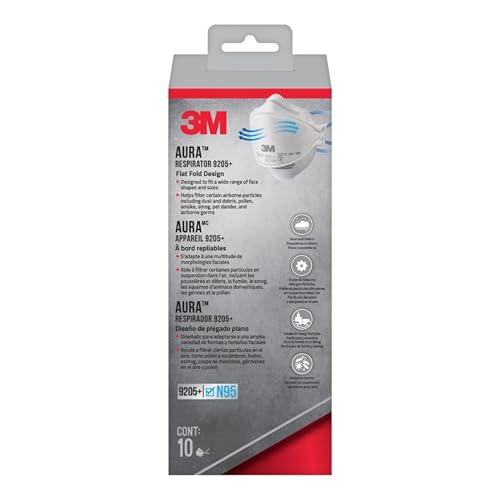
3M Aura Particulate Respirator 9205+ N95, 3 Pack
Best for: A product option only if a qualified assessment specifies this type of respiratory protection; not permission to undertake dusty rodent cleanup.
Why it fits this guide: Limited accessible CDC household cleanup centers on gloves and wet methods. Heavy contamination, insulation and ducts need qualified assessment and may require different protection.
- N95 particulate respirator format
- Useful during careful cleanup prep
- Pairs with gloves, disinfectant, and ventilation
Use note: Do not sweep or vacuum rodent waste or nests. A product listing, seal check or N95 alone does not establish safe cleanup scope. Follow CDC wet methods for limited accessible waste and get qualified help for heavy contamination, insulation or ducts.
Bottom line
The most reliable natural plan is not scent-only. It is an integrated plan with less pesticide reliance and more prevention. Use the 7-day mouse elimination plan to turn these steps into a room-by-room checklist.
FAQ
Can you get rid of mice naturally without poison?
Often, yes. A no-poison plan can use inspection, food control, traps, exclusion, safe cleanup, and monitoring. Large or repeated infestations may still require a professional.
How long does natural mouse control take?
There is no reliable fixed completion time for a particular home. Use the seven days as an initial work schedule, then continue monitoring and adjust trapping, sanitation and exclusion. Recurring signs warrant inspection; they do not identify one cause by themselves.
Should I seal holes before or after trapping?
Seal obvious exterior access points as part of the plan, but avoid trapping mice inside inaccessible voids. If activity is heavy, combine trapping and staged sealing carefully.
Is poison-free control always safer?
It can reduce pesticide risks, but traps and cleanup still require safety precautions around children, pets, and contaminated materials.
Safety sources reviewed
Reviewed against CDC rodent cleanup guidance, EPA pesticide label safety, and university IPM exclusion and sanitation principles.
Safety references: CDC: How to Clean Up After Rodents; CDC: How to Trap Up to Remove Rodents; UC IPM: House Mouse.

Alexios Papaioannou is the founder and lead editor of Mice Gone Guide. He oversees research, article review, and content updates focused on mouse prevention, humane control, home proofing, and safety-first household guidance.