
Mouse Prevention Hub: Inspection, Housekeeping, and Durable Exclusion
Direct answer: Inspect accessible evidence, secure food and trash, reduce shelter, repair suitable confirmed gaps, and monitor the same points. Use protected traps only for confirmed activity; seek qualified help for unsafe access.
Best mouse-proofing products for this guide
Inspect first, remove food and shelter, repair suitable entry gaps, and safely trap confirmed active routes. No product purchase replaces that sequence; do not rely on repellents.

Xcluder Rodent Control Fill Fabric DIY Kit
Stainless-steel fill fabric for small holes, pipe penetrations, utility gaps, and other gnaw-prone openings before sealing.
Check first: Wear gloves, pack gaps firmly, and pair with the correct sealant for the surface.
Check on Amazon
Copper Mesh Rodent Control Roll
Copper mesh is useful around irregular openings where rigid materials are hard to fit cleanly.
Check first: Choose the right width/length and inspect outdoors for weather exposure over time.
Check on Amazon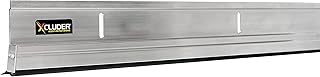
Xcluder Rodent-Proof Door Sweep
A practical upgrade for garage, basement, shed, and exterior doors where light or drafts show under the threshold.
Check first: Measure door width and threshold clearance before buying.
Check on Amazon
Motel Mouse Humane Live-Catch Mouse Traps, 4-Pack
CDC advises against household live traps because frightened rodents may urinate and increase exposure. This listing is not a verified safety or welfare recommendation.
Check first: Check dimensions, latch reliability, and recent seller reviews before ordering.
Check on AmazonContinue the mouse-control plan
Prevention works best after you confirm the evidence, use the removal sequence for active mice, and repair the right gaps through the mouse-proofing hub.
How to use this hub
Use this hub for prevention before activity begins or after a removal effort. Prevention works best as a repeatable home-maintenance routine, not a single “repellent” purchase.
| Guide | Use it when |
|---|---|
| Inspect common mouse signs | you want a clear inspection checklist |
| Seal likely entry routes | you need to choose a suitable repair material |
| Compare proofing materials | a gap has an irregular shape or specific surface |
| Evaluate natural repellents honestly | you want to separate supplements from proven core steps |
| Use a full removal plan | activity is already current |
Make the next decision from evidence
A dependable mouse-control plan moves from inspection to safe action, then follow-up. Avoid treating one sound, one product, or one old sign as a complete diagnosis. Use the linked guides to document what you find, protect people and pets, and repair the conditions that allow repeat activity.
Frequently asked questions
What is the most durable way to prevent mice?
Reduce food and shelter, inspect for openings, repair suitable entry points with durable materials, and recheck the same areas after weather changes or building work.
Editorial review and sources
Reviewed August 14, 2026. Mice Gone Guide uses public-health and university integrated-pest-management guidance to explain household options. This page is general education; follow product labels and obtain qualified help for unsafe, inaccessible, or extensive situations.
- UC IPM: House Mouse
- Cornell CALS: Managing Mice and Rats
- NC State Extension: Structure-Invading Mice
- CDC: How to Clean Up After Rodents
About the author: Alexios Papaioannou is the founder and lead editor of Mice Gone Guide. Content is reviewed for practical household relevance against CDC cleanup guidance, EPA safety principles, and university IPM resources.
Household trapping reference: CDC How to Trap Up to Control Rodents recommends snap traps, daily checks, and keeping traps out of reach of children and pets; it advises against household glue and live traps.