
Humane Mouse Traps: Catch-and-Release Guide & Welfare Rules
Ethical guide to catch-and-release mouse traps. Understand trap-checking frequency, release distance rules, legal restrictions, and winter survival factors.
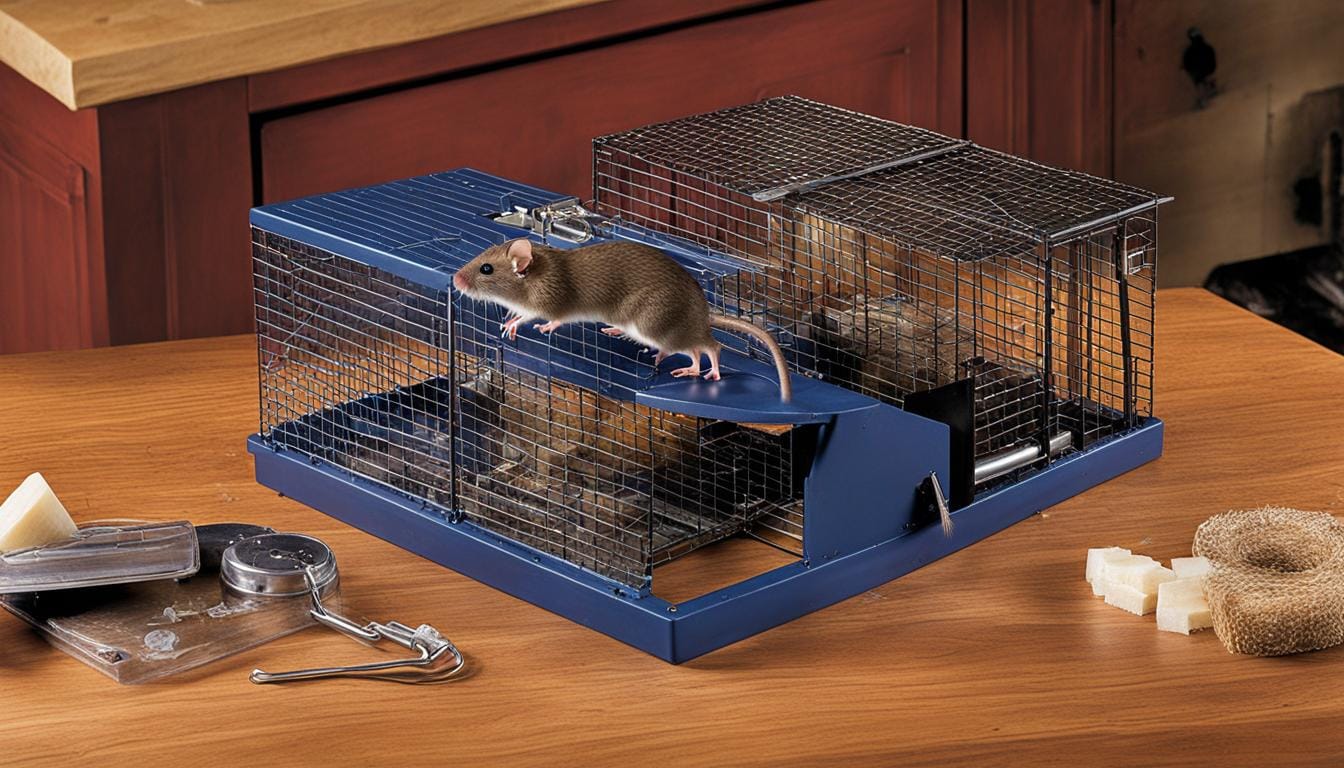
Direct Answer: The Truth About Live-Catch Traps
Live-catch trapping is not a simple “set-and-forget” solution, and carries operational obligations that product packaging rarely mentions. The CDC explicitly does not recommend live traps for residential rodent control because captured rodents urinate continuously inside the trap, creating direct disease exposure risks during handling. Furthermore, leaving a mouse trapped for hours causes severe hypothermia and stress. If you choose live trapping, you must commit to twice-daily checks, lawful relocation, and simultaneous entry-point exclusion.
papalex-20), we evaluate category engineering rather than sponsored claims. We do not recommend glue boards under any circumstance.
In This Live-Catch Guide:
- When Live-Catch Trapping Is & Is NOT Suitable
- Interactive Live-Catch Feasibility Calculator
- CDC’s Position on Live Traps & Glue Boards
- Animal Welfare: Checking Schedules, Dehydration & Stress
- Local Legal and Ecological Rules for Release
- Video Guide: Setting Live Catch Traps Properly
- Re-Entry Risk: Why Trapping Without Exclusion Fails
- Setup Guide for Live-Catch Traps
- When Snap Traps Are the More Humane Choice
- Frequently Asked Questions
When Live-Catch Trapping Is & Is NOT Suitable
| Decision Factor | Live-Catch May Be Feasible | Live-Catch Is Inappropriate |
|---|---|---|
| Infestation Scale | 1–2 isolated mice; early kitchen sighting. | Multiple rooms, wall noises, attic colony. |
| Checking Schedule | Can check morning and evening reliably. | Travel frequently or cannot check twice daily. |
| Release Destination | Lawful rural/woodland area 2–3 miles away. | Releasing in backyard or neighbor’s yard. |
| Household Health | Healthy adults; light contamination. | Infants or immunocompromised individuals present. |
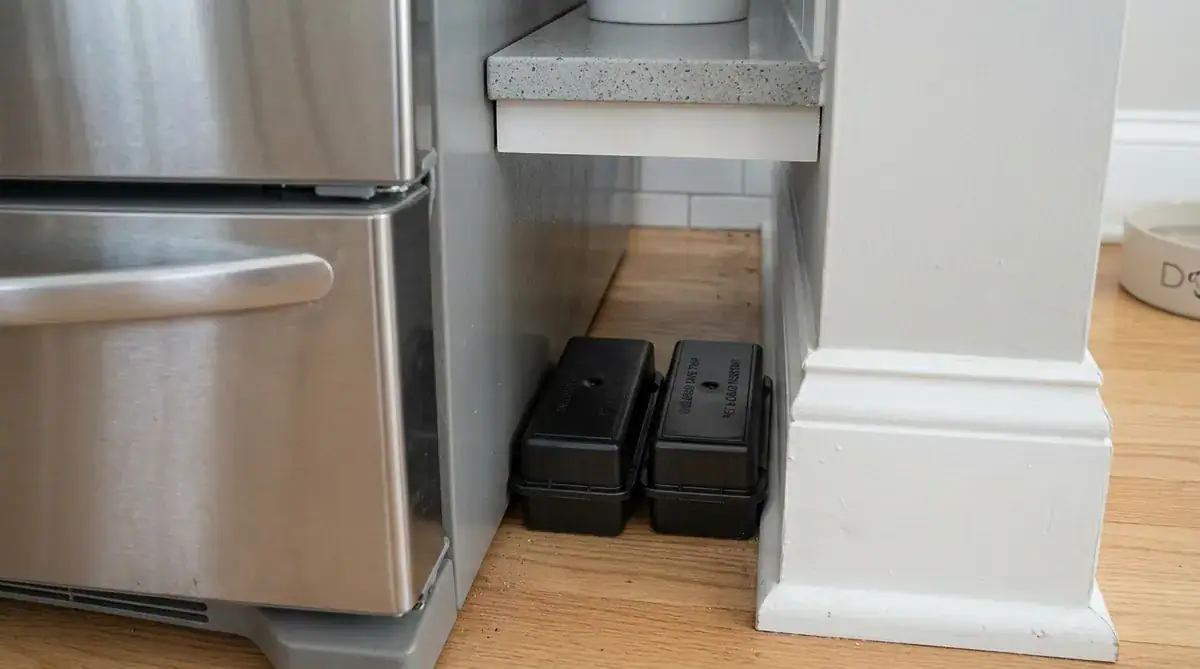
CDC’s Position on Live Traps & Glue Boards
Public health guidance from the Centers for Disease Control and Prevention is unambiguous:
- Live traps are not recommended by the CDC: When a rodent is contained inside a live-catch trap, extreme fear triggers continuous urination and defecation. Handling the trap forces close-proximity contact with fresh bio-contaminants.
- Glue boards are strongly discouraged: The CDC and animal welfare organizations oppose glue traps. Animals suffer prolonged dehydration, tear their skin attempting escape, and produce heavy urine trails.
Animal Welfare: Checking Schedules, Dehydration & Stress
A live-catch trap that goes unchecked for 12 to 24 hours is a torture chamber. House mice have rapid metabolic rates and can succumb to hypothermia, heat exhaustion, or shock within hours. Genuinely humane use mandates:
- Morning and Evening Checks: Set phone alarms to inspect traps every morning before work and every evening.
- Never leave a trap set over the weekend: If you are away from home, trigger and deactivate all live traps.
- Wear rubber or nitrile gloves: Both to protect yourself from bites and urine, and to prevent human scent transfer.
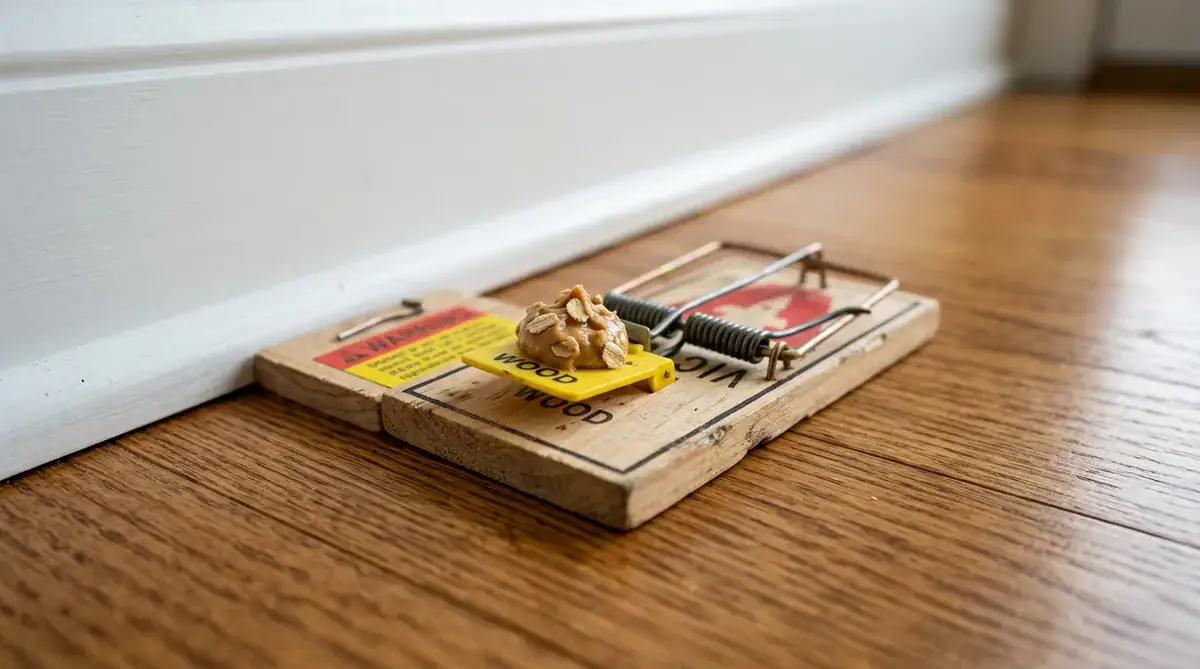
Video Guide: Setting Live Catch Traps Properly
Watch how to set, bait, and safely handle live-catch mouse traps to ensure the rodent is released unharmed:
Local Legal and Ecological Rules for Release
- Wildlife Relocation Laws: Many municipal and state fish & wildlife codes restrict transporting pest rodents across property boundaries or releasing non-native species into state parks.
- Predation & Winter Mortality: Domestic house mice relocated into outdoor woods in freezing temperatures often perish within 48 hours due to lack of established shelter and predatory owls/hawks.
- Neighbor Disputes: Releasing a trapped mouse into your neighborhood or local park is irresponsible and simply passes the infestation to someone else.
Re-Entry Risk: Why Trapping Without Exclusion Fails
Trapping without sealing entry points is a permanent treadmill. Mice leave pheromone urine trails that guide other mice from the outdoors directly into your pantry. Pair your trapping with permanent exclusion using copper mesh and elastomeric caulk.
Setup Guide for Live-Catch Traps
- Position flush against walls: Place the entrance tunnel parallel to the baseboard along mapped runways.
- Use pea-sized bait: Smear a pea-sized dab of peanut butter on the rear wall of the holding chamber.
- Wear gloves during handling: Protect yourself from bites and urine, and wash hands thoroughly after release.
- Disinfect trap between uses: Wash the trap thoroughly with warm soapy water and disinfectant before resetting.
When Snap Traps Are the More Humane Choice
When evaluated objectively, a modern high-velocity snap trap is often more humane than a live trap: it delivers an instantaneous, clean kill in under 1/10th of a second, avoiding hours of confinement panic, hypothermia, and relocation shock. Review our full comparison in best mouse traps for homes.
Frequently Asked Questions
Do humane mouse traps really work?
Yes, for isolated mice when checked twice daily and combined with entry point sealing. They fail when used as an unmonitored substitute for whole-home pest management.
Why doesn’t the CDC recommend live traps?
Trapped rodents urinate inside the container, increasing human exposure to infectious pathogens like Hantavirus and LCMV during handling and transport.
How far away should I release a mouse?
At least 2 to 3 miles away in an area with natural cover, provided local regulations permit wildlife relocation. Releasing in your yard or neighborhood guarantees return.
References & Ethical Standards:

Alexios Papaioannou is the founder and lead editor of Mice Gone Guide. He oversees research, article review, and content updates focused on mouse prevention, humane control, home proofing, and safety-first household guidance.