
Affiliate disclosure: As an Amazon Associate, Mice Gone Guide earns from qualifying purchases. Recommendations are selected to support the safety-first advice on this page, not to replace inspection, sanitation, exclusion, safe cleanup, or professional help when needed.
Safety-first removal
Safe mouse removal is not just catching a mouse. It means reducing exposure risks, avoiding contaminated dust, protecting children and pets, and stopping mice from coming back.
Quick answer
Remove mice safely by confirming activity, removing food access, placing traps on active routes, keeping control tools away from children and pets, cleaning droppings with wet disinfecting methods, sealing entry points, and monitoring until fresh signs stop.
Helpful video: safe cleanup and hantavirus awareness before removal work
Watch this before cleaning mouse droppings, nesting material, or contaminated storage areas. Safe mouse removal is not just catching mice; it also includes avoiding unsafe cleanup habits.
Use the video for
- Ventilate when appropriate and avoid stirring up contaminated dust.
- Wet droppings, urine, and nesting material with disinfectant before removal.
- Use gloves and appropriate protection, then dispose of waste carefully.
Do not take it as
- Do not dry sweep rodent droppings.
- Do not vacuum contaminated material as a first step.
- Do not DIY heavy contamination, HVAC contamination, or large attic/crawlspace cleanup without professional guidance.
Editorial note: the video is included to make the guide easier to understand visually. The written checklist on this page is the recommended action sequence for Mice Gone Guide readers.
Safe removal triage checklist
Use this section as the practical bridge between reading and taking action. It keeps the advice specific, measurable, and safer for real homes.
The safe removal sequence
Identify where mice are active
Look for droppings, gnaw marks, scratching sounds, nesting material, urine odor, food damage, and rub marks. Use the signs of mice guide to avoid guessing.
Remove food and shelter
Seal food, trash, pet food, birdseed, and grass seed. Remove clutter that gives mice protected nesting cover.
Trap active routes
Place traps along walls, behind appliances, and close to fresh evidence. Use enclosed or protected placements if children or pets are present.
Clean droppings safely
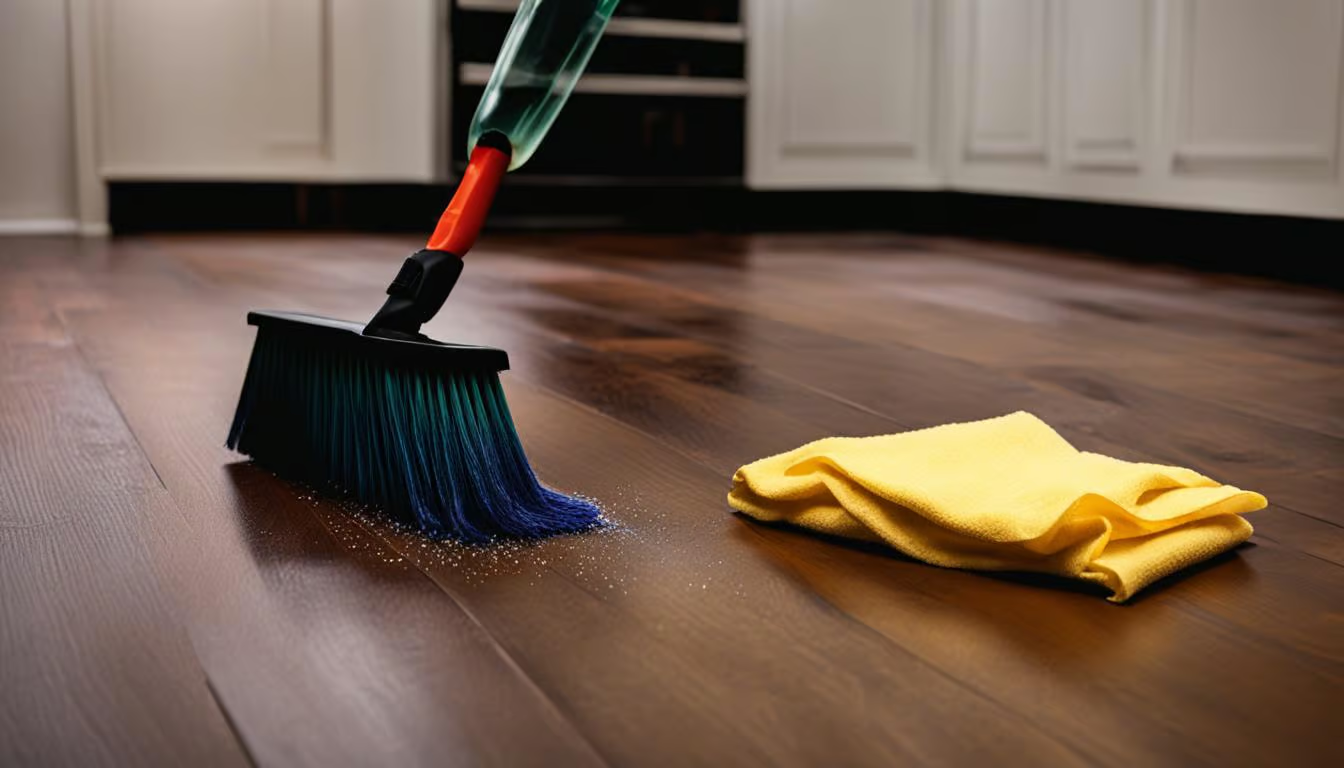
Ventilate when appropriate, wear gloves, wet droppings and urine with disinfectant, wait for contact time, wipe, bag, and wash hands. Do not dry-sweep or vacuum.
Seal entry points
After you understand the active routes, seal holes and gaps with metal mesh, hardware cloth, flashing, mortar, or appropriate sealant.
Monitor after removal
Keep checking traps, sealed areas, and high-risk rooms. Fresh droppings mean the problem is not finished.
Traps, baits, and humane choices
| Method | Where it fits | Safety issue | Important note |
|---|---|---|---|
| Snap traps | Active indoor mice | Keep away from children and pets | Placement matters more than quantity |
| Enclosed traps | Homes with children or pets | Still requires checking | Useful along known routes |
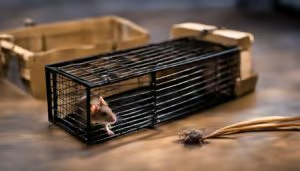
| Live traps | Not CDC-recommended for household control | Must be checked frequently | Release rules vary and re-entry must be blocked |
| Rodenticide bait | Some severe or professional situations | Poison risk if misused | Follow label and use bait stations as required |
Cleanup mistake to avoid
Do not vacuum, sweep, or blow rodent droppings, urine, or nesting material while dry. Disturbing dry material can put contaminated particles into the air. Use the mouse cleanup safety hub before cleaning attics, garages, cabinets, drawers, or storage areas.
When to call a professional
- Repeated droppings after trapping and sealing.
- Activity in walls, attic insulation, crawlspaces, or HVAC-adjacent areas.
- Large amounts of droppings, urine odor, or nesting material.
- Chewed wiring, plumbing, or structural damage.
- Pregnancy, immune concerns, respiratory concerns, or other health-risk situations.
- Rental or shared-building problems that need landlord coordination.

Recommended Amazon tools for safer mouse removal
These products support safer trapping, safer cleanup preparation, and long-term exclusion. They do not replace careful placement, PPE judgment, or professional help when contamination is heavy.
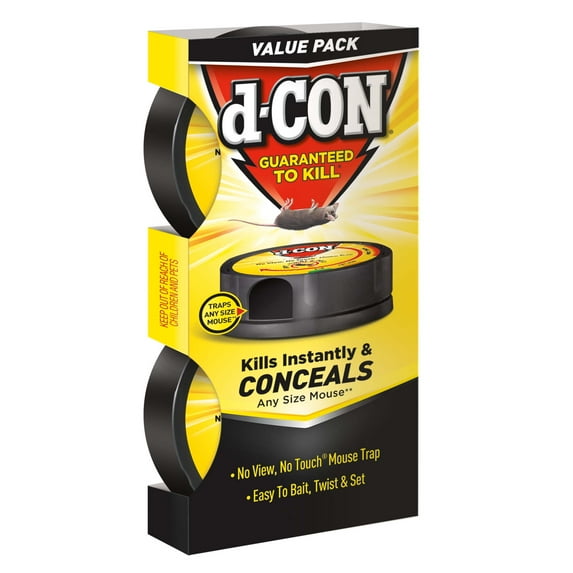
d-CON No View, No Touch Covered Mouse Trap, 6 Pack
Best for: Homes where users want a covered trap design and less direct contact during disposal.
Why it fits this guide: A strong fit for safety-focused pages because the product design reduces visible contact compared with open snap traps.
- Covered design
- Lower-contact disposal
- Useful around known indoor routes
Use note: Still place away from children and pets, inspect frequently, and keep using exclusion so new mice do not replace captured ones.

Victor Mouse Traps M035-12, Plastic Pedal, 12 Pack
Best for: Targeted trapping along walls, behind appliances, and near fresh droppings when you need to confirm and reduce active mice.
Why it fits this guide: Snap traps are simple, visible, and auditable, which is better for DIY readers than hoping repellents or plug-ins solved the problem.
- Visible results and easy monitoring
- Works with bait and route placement
- Good for active indoor mouse routes
Use note: Place traps where children and pets cannot reach them. Use enclosed placements or covered stations when household access is a concern.
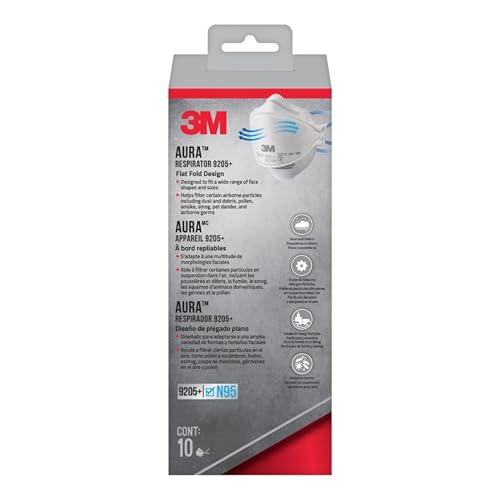
3M Aura Particulate Respirator 9205+ N95, 3 Pack
Best for: Product reference only, not a cleanup clearance or complete PPE recommendation. Do not dry sweep or vacuum rodent waste. Heavy contamination requires professional assessment and appropriate respiratory protection; a retail N95 alone does not establish suitability.
Why it fits this guide: CDC specifies appropriate respiratory protection and fit-testing requirements for heavy infestation cleanup; purchasing an N95 does not meet that assessment by itself.
- N95 particulate respirator format
- Not a substitute for remediation assessment
- Pairs with gloves, disinfectant, and ventilation
Use note: A respirator does not make unsafe cleanup safe by itself. Follow CDC-style wet cleanup steps and escalate heavy contamination.

Xcluder Rodent Control Fill Fabric Roll, 4 in. x 10 ft.
Best for: Filling small gaps around pipes, utility penetrations, garage edges, and trim transitions before sealing or covering properly.
Why it fits this guide: Exclusion is the long-term fix. This belongs in nearly every rodent-control page because it solves the entry-point problem that repellents cannot solve.
- Check current manufacturer material specification for rodent exclusion
- A suitable physical barrier is preferable to relying on scents
- Use with inspection and durable sealing
Use note: Do not rely on fill fabric alone where weather, movement, or large gaps require hardware cloth, flashing, mortar, or exterior-grade sealant.
Bottom line
Safe mouse removal is a sequence, not a single product. Continue with how to get rid of mice safely and how to seal your home from mice.
FAQ
What is the safest way to remove mice?
The safest approach is to identify active areas, remove food access, use traps in protected locations, clean contamination without stirring dust, seal entry points, and monitor.
Can I vacuum mouse droppings?
No. Do not dry-vacuum or sweep mouse droppings, urine, or nesting material. Wet contaminated material with disinfectant first and wipe it up safely.
Are live traps more humane?
Live capture is not automatically humane. CDC recommends against household glue and live traps because frightened rodents may urinate and increase exposure. UC IPM also notes relocation and confinement limitations. Prefer protected snap-trap placement with daily checks.
When is DIY removal unsafe?
DIY removal may be unsafe with heavy contamination, illness risk, pregnancy or immune concerns, contaminated insulation, repeated activity, or inaccessible wall and attic voids.
Safety sources reviewed
Reviewed against CDC rodent cleanup guidance, EPA bait-safety guidance, and integrated pest management principles.
Household trapping reference: CDC How to Trap Up to Control Rodents recommends snap traps, daily checks, and keeping traps out of reach of children and pets; it advises against household glue and live traps.
Cleanup reference: CDC How to Clean Up After Rodents. Use wet cleanup with gloves and product-label contact time for accessible surfaces; seek qualified help for HVAC, electrical systems, or heavy contamination and appropriate respiratory protection.

Alexios Papaioannou is the founder and lead editor of Mice Gone Guide. He oversees research, article review, and content updates focused on mouse prevention, humane control, home proofing, and safety-first household guidance.