
Affiliate disclosure: As an Amazon Associate, Mice Gone Guide earns from qualifying purchases. Recommendations are selected to support the safety-first advice on this page, not to replace inspection, sanitation, exclusion, safe cleanup, or professional help when needed.
City homes and apartments
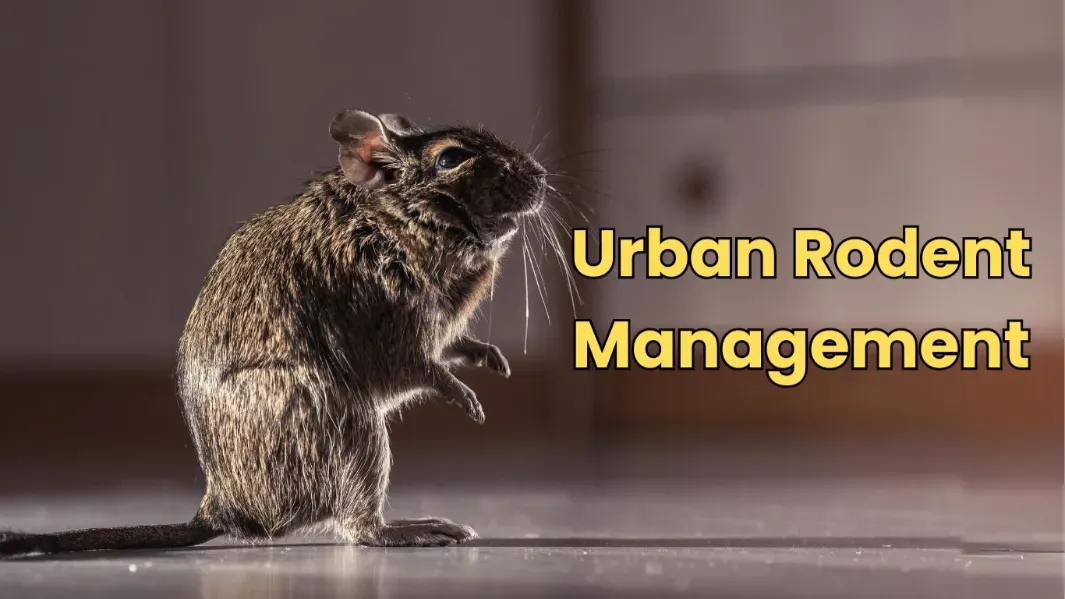
Urban rodent control is different because the problem often crosses walls, trash areas, basements, restaurants, alleys, and neighboring units. This guide gives renters, homeowners, and property managers a realistic plan.
Quick answer
Manage urban rodents by documenting fresh evidence, removing food and clutter, cleaning safely, sealing unit-level gaps, coordinating with the landlord or property manager, improving trash control, and using targeted traps or professional service where activity is recurring. In shared buildings, one unit rarely controls the whole problem alone.
Helpful video: urban rodent control as a shared sanitation and exclusion problem
Urban rodent problems are rarely solved by one apartment, one trap, or one repellent. This video helps frame the article around building-level food, waste, access, and coordination issues.
Use the video for
- Coordinate with neighbors, landlords, property managers, or city services when activity is shared.
- Focus on trash control, door gaps, utility penetrations, alleys, basements, and shared walls.
- Document dates, droppings, entry points, and maintenance requests.
Do not take it as
- Do not treat recurring apartment mice as only a housekeeping issue.
- Do not ignore exterior trash, dumpsters, alleys, and basement access.
- Do not rely on repellents if the building still provides food and entry routes.
Editorial note: the video is included to make the guide easier to understand visually. The written checklist on this page is the recommended action sequence for Mice Gone Guide readers.
Urban rodent action map
Use this section as the practical bridge between reading and taking action. It keeps the advice specific, measurable, and safer for real homes.
Why city rodent problems are different
In a detached home, you may control most food, trash, and entry points. In an apartment, row home, or mixed-use building, mice and rats may move through shared walls, utility chases, basements, trash rooms, restaurants, alleys, rooflines, and neighboring units. That means the solution must combine personal action with building coordination.
Use this guide with signs of mice, safe mouse removal, and rodent infestation cleanup protocols.
Urban action plan by role
| Role | Priority actions | What to document |
|---|---|---|
| Renter | Seal food, reduce clutter, clean safely, use allowed traps, report in writing | Photos, dates, rooms, droppings, noises, food damage |
| Homeowner | Inspect exterior, garage, basement, trash, utility lines, neighbors’ pressure points | Entry gaps, burrows, repeat signs, repairs made |
| Property manager | Coordinate service, seal building envelope, fix trash rooms, monitor basements | Unit reports, contractor notes, service dates, follow-up checks |
| Restaurant or mixed-use tenant | Food waste, grease, door sweeps, receiving areas, dumpster schedule | Sanitation logs, sightings, entry points, service records |
Step-by-step urban rodent plan
Document before cleaning
Photograph droppings, gnawing, holes, food damage, and suspected routes. Then clean safely without dry sweeping.
Lock down food and trash
Use sealed containers, clean under appliances, control pet food, and report overflowing trash or broken dumpster lids.
Seal unit-level gaps
Check under sinks, behind appliances, pipe penetrations, radiator holes, door sweeps, closets, baseboards, and utility chases.
Coordinate building-level exclusion
Recurring activity often requires basement, exterior, trash room, garage, roofline, and utility repairs beyond one unit.
Use targeted control and follow-up
Place traps where allowed and safe. Ask pest professionals for entry-point findings, not just bait refills.
Shared-building warning signs
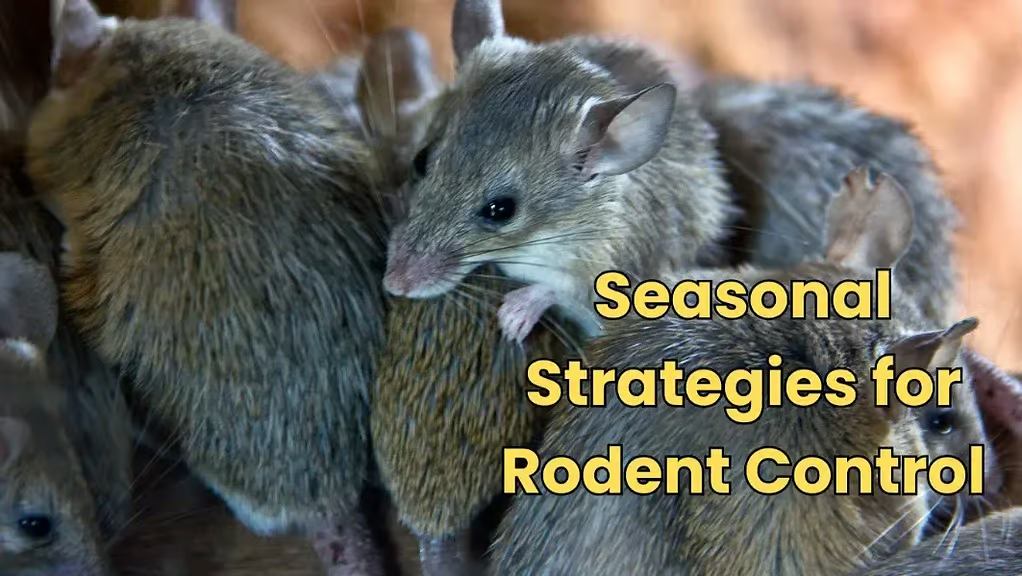
- Droppings return after your unit is clean.
- Sounds come from walls, ceilings, or shared pipe chases.
- Multiple tenants report sightings.
- Trash room, basement, or garage has repeated evidence.
- Holes reappear around utility penetrations.
- Activity increases after nearby construction or restaurant trash changes.
Recommended Amazon tools for apartments and shared buildings
Urban rodent problems need documentation, monitoring, protected trap placement, and landlord/building coordination. These tools support that workflow without overpromising.

d-CON No View, No Touch Covered Mouse Trap, 6 Pack
Best for: Homes where users want a covered trap design and less direct contact during disposal.
Why it fits this guide: A strong fit for safety-focused pages because the product design reduces visible contact compared with open snap traps.
- Covered design
- Lower-contact disposal
- Useful around known indoor routes
Use note: Still place away from children and pets, inspect frequently, and keep using exclusion so new mice do not replace captured ones.
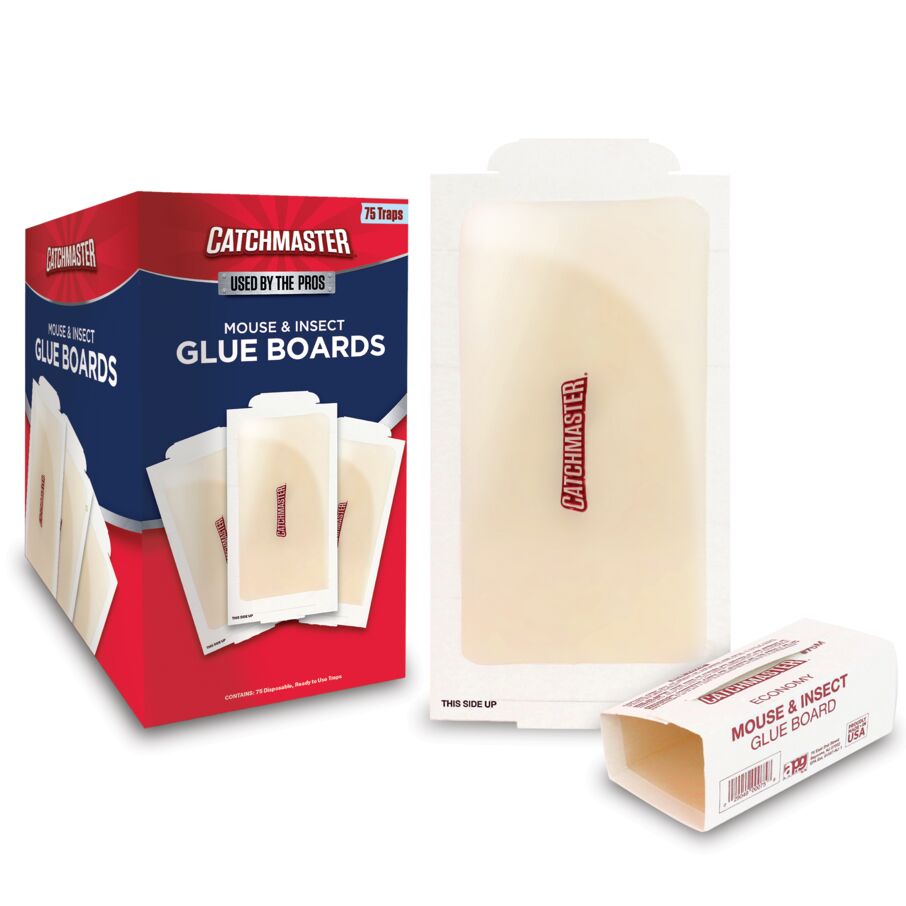
Catchmaster Compact Sticky Insect & Mouse Traps, 75 Count
Best for: Tracking activity in tight utility areas when legal, acceptable, and checked frequently.
Why it fits this guide: Useful as a monitoring product in some urban or commercial-style workflows, but not the most humane primary control option.
- Can reveal active routes
- Fits tight spaces
- Use cautiously as monitoring support
Use note: Glue traps raise welfare concerns and must be checked frequently. Avoid where pets, children, non-target animals, or legal restrictions apply.

Xcluder Rodent Control Fill Fabric Roll, 4 in. x 10 ft.
Best for: Filling small gaps around pipes, utility penetrations, garage edges, and trim transitions before sealing or covering properly.
Why it fits this guide: Exclusion is the long-term fix. This belongs in nearly every rodent-control page because it solves the entry-point problem that repellents cannot solve.
- Stainless-steel wool blend for rodent exclusion
- Better investment than stronger scents
- Use with inspection and durable sealing
Use note: Do not rely on fill fabric alone where weather, movement, or large gaps require hardware cloth, flashing, mortar, or exterior-grade sealant.
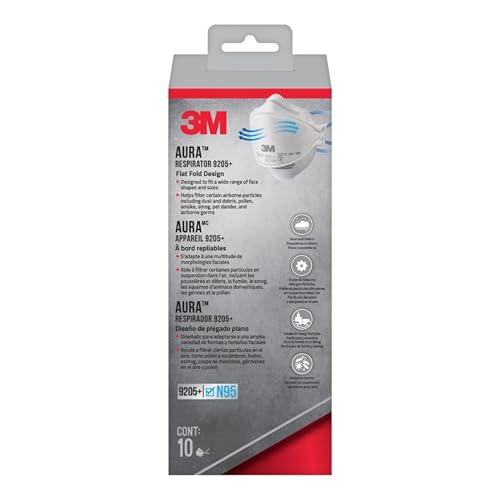
3M Aura Particulate Respirator 9205+ N95, 3 Pack
Best for: Adding respiratory protection during dusty cleanup situations where PPE is appropriate.
Why it fits this guide: Cleanup safety pages need practical gear, and respiratory protection is more useful than another repellent for contaminated storage areas.
- N95 particulate respirator format
- Useful during careful cleanup prep
- Pairs with gloves, disinfectant, and ventilation
Use note: A respirator does not make unsafe cleanup safe by itself. Follow CDC-style wet cleanup steps and escalate heavy contamination.
Bottom line
Urban rodent management works best when the unit and the building are treated as one system. Start with your space, but escalate recurring activity to property management or a qualified pest professional. For next steps, use the mouse elimination plan and mouse proofing hub.
FAQ
Why are rodents harder to control in cities?
City rodents often have shared food sources, connected buildings, dense shelter, trash access, and neighboring properties that can keep pressure high.
What should renters do about mice or rats?
Document signs, reduce food and clutter, clean safely, place allowed traps carefully, and notify the landlord or property manager in writing with photos and dates.
Can one apartment solve a building-wide mouse problem?
One apartment can reduce risk, but recurring activity often needs building-wide sealing, trash management, and coordinated pest control.
Are rats and mice handled the same way?
They share sanitation and exclusion principles, but rat control often requires larger entry-point work, exterior burrow management, and professional help sooner.
Safety sources reviewed
Reviewed against public-health cleanup guidance, EPA pesticide safety principles, and urban IPM concepts focused on sanitation, exclusion, monitoring, and coordinated control.

Alexios Papaioannou is the founder and lead editor of Mice Gone Guide. He oversees research, article review, and content updates focused on mouse prevention, humane control, home proofing, and safety-first household guidance.