
Disclosure: this page contains affiliate links. As an Amazon Associate, Mice Gone Guide earns from qualifying purchases, at no extra cost to you.
Mice problem action box
Need mice gone fast? Choose DIY control or professional help before activity spreads.
DIY trapping can work for light activity, but recurring droppings, attic noises, wall sounds, insulation contamination, or mice returning after sealing may require a professional inspection. Use the checklist below to act quickly and safely.
Disclosure: Some product links may be affiliate links. If you buy through them, we may earn a commission at no extra cost to you. For heavy contamination, illness risk, or unsafe areas, contact a qualified professional.
Evidence-led mouse removal
How to Get Rid of Mice
The complete home mouse removal guide: confirm activity, remove food access, trap active routes, clean safely, seal entry points, and know when to call a professional. No poison required, no myths, no guessing.
Quick answer. Mice leave when four things happen in order: (1) you confirm where they are actually active, (2) you cut off food, water, and shelter, (3) you trap the active routes properly, and (4) you seal the entry points and keep monitoring. Most homes see catches drop within the first week and can call the job done after two full weeks with no fresh droppings and empty traps. Poison is not required, and for most homes it is the worse option — this guide explains why, honestly, in its own section.
Tonight: three moves. (1) Put all pantry food, pet food, and birdseed into rigid sealed containers. (2) Set snap traps tonight — not at the weekend — along the walls where you saw droppings. (3) Bag and bin anything mice have chewed. Everything else in this guide builds on those three moves.
Find your starting point
Answer one question and jump to the moves that fit your situation. Every branch ends in the same system below — it just starts where you are.
I saw one mouse — what do I do first?
Assume there are more. One sighting usually means a runway nearby, not a lone visitor. Tonight: seal food, set 6–12 snap traps along the walls nearest the sighting (see Step 3), and start the dated monitoring record in Step 6. If catches continue after two weeks, work through Troubleshooting before assuming the job is done.
I found droppings but no mouse — where do I start?
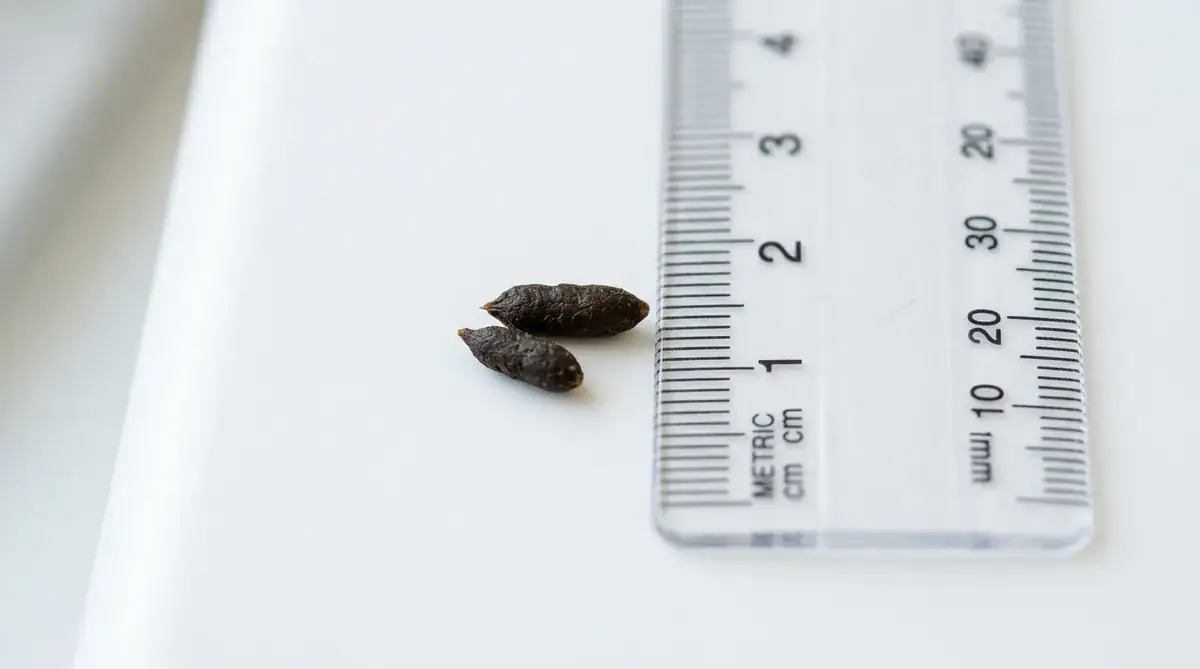
Droppings are evidence, not a diagnosis. First confirm they are fresh (dark, soft, shiny) rather than old (grey, dry, crumbly) — our droppings ID guide shows the difference with photos. Then clean them safely using the wet method in Step 5, set traps on the same routes, and re-check in 48 hours: fresh droppings after cleaning mean current activity.
I hear noises in the walls or ceiling at night — what now?
Night noises usually mean travel routes inside voids. Do not seal anything yet — sealing mice inside walls creates odor and damage problems. Trap the rooms on both sides of the noisy wall first, then seal once catches stop. The wall-specific guide is Mice in Walls; attic noise has its own guide, Attic Mice & Insulation.
I have pets or small children — what is safe?
Use covered snap traps or place traps where paws and hands cannot reach them — inside cabinets, behind appliances, above ceiling voids. Never use loose poison indoors with pets or children in the home (see the poison section for why). The box-over-trap trick works: a sturdy box with a mouse-sized hole over the trap keeps the trap working while blocking larger paws.
I rent — what can I actually do?
Everything in Steps 1–3 and 5–6 is yours to do: food control, trapping, safe cleanup, monitoring. Sealing is the shared part — see the renter playbook for what to do yourself, what to ask your landlord for in writing, and what to do when the unit next door is the source.
Confirm it is mice
Before you trap anything, confirm what you are dealing with. Wrong identification wastes traps and time.
- Droppings. Mouse droppings are small (about 3–6 mm), dark, and pellet-shaped with pointed ends. Rat droppings are roughly twice as large with blunt ends. Fresh mouse droppings are dark and slightly shiny; old ones turn grey and crumbly. Photos and lookalikes: Mouse Droppings ID Guide.
- Sounds. Scratching and scurrying inside walls or ceilings at night, especially in the first hours after dark, fits mice. Daytime sounds or heavy thumping point elsewhere.
- Marks. Greasy smudge lines along baseboards and pipes, gnaw marks on food packaging and wood, and small shredded-nesting piles (paper, fabric, insulation) all corroborate mice. One sign alone is not enough — two or more together is a solid case. Full checklist: Signs of Mice in Your Home.
- Mice vs rats. If the animal is large, the droppings are blunt-ended and over 12 mm, or you see burrows outside, you may have rats instead. The comparison guide is Rats vs Mice: Key Differences.
- Deer mouse vs house mouse. Deer mice (white belly, bi-colored tail) carry a higher hantavirus risk profile than house mice, which changes how carefully you must clean. If you are in a rural or wooded area, treat cleanup with extra care and read the cleanup section before touching anything.
Every method, honestly graded
This is the table most guides will not write, because it admits what does not work. Verdicts below reflect agency guidance and field experience, not lab testing by this site.
| Method | Verdict | Best for | Watch out for |
|---|---|---|---|
| Snap traps | Best first choice for most homes | Confirming and reducing active mice fast | Must be placed on runways, checked daily |
| Electronic traps | Works, costs more per kill | People who want no-touch disposal | Batteries, price, same placement rules apply |
| Live-catch traps | Possible, with honest limits | People unwilling to kill mice | Relocated mice often die; release legality and neighbor impact vary — see Humane Mouse Traps |
| Glue traps | Not recommended | — | CDC advises against them; slow, inhumane, and they catch non-target animals |
| Poison / bait stations | Last resort, pros only outdoors | Severe infestations under professional supervision | Secondary poisoning of pets and wildlife; dead mice in walls; see the poison section |
| Ultrasonic plug-ins | Not supported by evidence | — | Mice habituate; no agency recommends them as a control method |
| Scent repellents (peppermint, etc.) | Weak and temporary at best | Supplement only, never the plan | Do not remove mice; full limits in How to Get Rid of Mice Naturally |
| A cat | Unreliable | — | Many cats ignore mice; a cat is not pest control |
| Professional treatment | Right call for big or stuck jobs | Large infestations, mice in walls, rentals with structural gaps | Price varies widely; see the DIY vs pro framework |
The 7-step mouse removal system
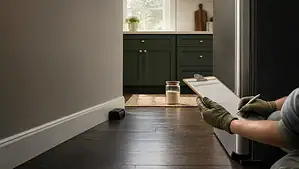
Work the steps in order. Skipping ahead to sealing before trapping is the single most common DIY mistake — it traps mice inside your walls.
Step 1: Find where they are active
Traps catch mice only on runways mice actually use. Spend twenty minutes mapping before you set anything:
- Check the kitchen first (behind the stove and fridge, inside lower cabinets, around the sink pipes), then the pantry, basement, attic hatch, garage, and utility entries.
- Look for fresh droppings, grease smudges along baseboards, gnawed packaging, and shredded nesting material. Mark each spot mentally — those are your trap locations.
- Dust a suspect runway lightly with flour or talcum overnight if you are unsure: footprints by morning confirm the route.
Step 2: Cut food, water, and shelter tonight
Mice stay where eating is easy. This step alone removes the reason they came:
- Move pantry goods, pet food, and birdseed into rigid containers (glass or metal — mice chew through plastic bags and thin plastic boxes).
- Fix dripping taps and mop up standing water; empty pet water bowls overnight if you can.
- Clear clutter mice nest in: cardboard stacks, paper piles, fabric piles, and storage against walls. Vacuum crumbs from under appliances and inside cabinets.
- Take trash out nightly and keep bins lidded. Outside, move firewood away from the house wall and trim shrubs touching the building.
Step 3: Trap right
Most “traps don’t work” stories are placement stories, not trap stories.
- How many. Guidance commonly cited by pest professionals (Orkin’s published advice) suggests 6–12 traps for a typical home; Health Canada guidance referenced by pest sources works out to roughly one trap per metre of active runway. When in doubt, set more rather than fewer — too few traps is the usual failure.
- Where. Place traps perpendicular to the wall (trigger end touching the wall) so a mouse running along the baseboard meets the trigger head-on. Set them in pairs a few inches apart on each runway — mice often jump the first trap and hit the second.
- Bait. A pea-sized dab of peanut butter pressed firmly onto the trigger works better than cheese (mice must work at it, which trips the mechanism). Replace bait every two days; stale bait gets ignored.
- Trap-shy mice. If bait disappears without triggering, or catches stop after the first few, the survivors have learned. Pre-bait: set traps unset with bait for 3–4 days so mice feed confidently, then set them. This one technique rescues most “trap-shy” cases.
- Checking. Check traps every morning. Remove catches promptly with gloves, reset immediately, and log the catch (see Step 6). A trap left full teaches nothing and smells.
- Pets and children. Use covered trap designs, or place traps inside cabinets, behind appliances, and in ceiling voids where paws and hands cannot reach. The box-over-trap trick (a sturdy box with a mouse-sized hole over the trap) works well.
Step 4: Seal them out
Sealing is the permanent fix — but timing matters. Seal exteriors now; seal interior gaps once catches have stopped, so you do not lock mice inside.
| Material | Use it for | Do not use it for |
|---|---|---|
| Steel wool / copper mesh | Small gaps around pipes and wires (mice cannot chew copper mesh; steel wool rusts over time) | Large holes on its own — it needs a backing |
| Hardware cloth (1/4-inch mesh) | Vents, larger openings, foundation gaps | Fine interior cracks (overkill, hard to finish neatly) |
| Caulk + backing | Sealing mesh in place, finishing small cracks | Any gap on its own — mice gnaw through foam and caulk alone |
| Cement / mortar | Foundation cracks and large masonry gaps | Areas that need future access (pipes, wiring) |
| Door sweeps / weatherstripping | Door gaps, garage doors | — |
Room-by-room gap checklist: kitchen sink and dishwasher pipes; bathroom plumbing; dryer exhaust vent; HVAC and utility entries; attic vents; basement sill plate; garage door edges; any place a pipe or wire enters a wall. A mouse fits through a gap about the width of a pencil — sources vary between a dime’s width and about 6 mm, so treat any gap you can fit a pencil into as an entry point.
Foam-alone warning. Expanding foam and caulk alone will not stop mice — they gnaw straight through. Every foam or caulk seal needs a metal backing (mesh or hardware cloth) behind it.
Step 5: Clean up safely
Droppings and nesting material can carry disease, including hantavirus in deer-mouse areas. Never dry-sweep or dry-vacuum droppings — that puts contaminated dust in the air.
- Ventilate the area for 30 minutes first. Wear gloves and, for heavy contamination, a fitted N95 respirator.
- Spray droppings and nesting material with disinfectant until wet, wait the product-label contact time, then wipe up with paper towels and bag them.
- Mop hard surfaces with disinfectant. Bag and dispose of contaminated soft materials (insulation, fabric nests) rather than trying to clean them.
- Wash hands thoroughly afterward, and launder any cloths used. Full CDC-standard protocol: Rodent Infestation Cleanup Protocols. Safe removal sequence with the same rules: How to Remove Mice Safely.
Step 6: Monitor — and know when you are done
This is the section most guides skip, and it is the difference between “I think they’re gone” and “they’re gone.”
- Dated record. Keep a simple log: date, trap locations, catches, and fresh-dropping sightings. One line a day is enough.
- Fresh-dropping checks. After cleaning an area, re-check it every 48 hours. Fresh droppings after a clean mean current activity; none for two weeks means the route is dead.
- Trap-empty streaks. The “done” criteria: two full weeks with empty traps, no fresh droppings, and no new sounds — while traps stay set. Do not remove traps the day after the last catch; mice rebound fast.
- Seal check. Once the two-week streak holds, seal the interior gaps you deferred in Step 4, then keep two or three traps set for another two weeks as a tripwire.
Step 7: Escalate to qualified professionals when needed
Call a professional when: catches continue after three weeks of correct trapping; mice are inside wall voids you cannot reach; you see mice in daylight (often a sign of a large population); droppings appear in food-preparation areas at scale; or anyone in the home is immunocompromised and contamination is heavy. When you call, ask what methods they use (avoid companies that lead with indoor poison), whether they include exclusion work, and what the follow-up visit covers. See the DIY vs pro framework below.
Troubleshooting: traps empty, bait stolen, catches continue
- Traps empty after a week. Wrong runway is the usual cause. Re-map with the flour test, move traps to where droppings are freshest, and double the trap count on that route.
- Bait stolen without triggering. Bait was too loose or the trigger too stiff. Press a pea-sized dab of peanut butter hard onto the trigger so the mouse must work at it, and try pre-baiting unset traps for 3–4 days.
- Only juveniles caught. Juveniles are bolder and less cautious. Adults are likely still present and trap-shy — pre-bait, vary trap positions slightly, and keep going.
- Catches continue after sealing. You sealed the wrong gaps, or there is a second entry route. Re-inspect with the room-by-room checklist, especially utility entries and the garage.
- Catches stopped, then resumed. New mice found a new route, or the original entry was never sealed. Treat it as a fresh Step 1 mapping exercise, not a failure of trapping.
What does not work, graded
- Ultrasonic plug-ins — no. No agency recommends them as a control method, and mice habituate to the sound. They are the most commonly wasted money in mouse control.
- Peppermint oil and scent repellents — weak and temporary at best. Strong scents may briefly disturb a runway, but they do not remove mice, and the effect fades. They are a supplement, never the plan. Full limits: How to Get Rid of Mice Naturally Without Poison.
- Mothballs — no, and unsafe indoors. The fumes are a pesticide exposure risk to people and pets, and they do not reliably repel mice.
- Ammonia, dryer sheets, Irish Spring soap — no evidence. Repeated in blogs, absent from agency guidance. Do not build a plan on them.
- A cat — unreliable. Some cats hunt mice; many ignore them entirely. A cat is a pet, not pest control.
Poison: the honest section
Most pest companies sell poison. This site does not, so this section can say what they usually will not.
- Secondary poisoning is real. A poisoned mouse eaten by a pet, owl, hawk, or dog can poison the eater in turn. This is documented by wildlife agencies and is the strongest reason not to use rodenticide casually.
- Dead mice in walls. Poisoned mice often die inside voids you cannot reach. The result is weeks of odor and, sometimes, secondary insect problems — a cost nobody quotes upfront.
- Children and pets. Loose pellets and poorly secured bait stations are an ingestion risk. Even secured stations are not risk-free if a pet carries a poisoned mouse home.
- When pros legitimately use it. For severe infestations, professionals sometimes use tamper-resistant bait stations outdoors, as part of a wider plan that includes trapping and exclusion. That is a different risk profile from scattering pellets indoors yourself — and it is the only context in which this guide considers poison defensible.
- Bottom line. For the large majority of homes, trapping plus exclusion solves the problem faster, cheaper, and with fewer side effects than poison. If a company leads with indoor poison and skips exclusion, get a second quote.
DIY vs pro: the honest framework — and what it costs
No honest guide says “always DIY” or “always call a pro.” Use the criteria, not the sales pitch.
| Your situation | Best path | Why |
|---|---|---|
| First sighting, few droppings, accessible rooms | DIY | Trapping plus exclusion solves this in most homes within two weeks |
| Large or long-running infestation | Pro | Population size and hidden harborages need professional assessment |
| Mice inside walls or ceilings you cannot reach | Pro | Void work needs tools and access DIY cannot safely provide |
| Pets or small children, and poison is on the table | DIY trapping, or pro with a no-indoor-poison requirement | Keep poison out of the home wherever possible |
| Rental with structural gaps | DIY trapping + landlord escalation | See the renter playbook below |
| Anyone immunocompromised + heavy contamination | Pro cleanup first | Contamination risk outweighs DIY savings |
What it costs — planning figures, not quotes. Re-verified 2026-11-02 from fresh search-index copies (This Old House crawled 2 days prior; Today’s Homeowner 18 hours prior): This Old House lists professional mouse treatment at $150–$550 with an average around $350; Today’s Homeowner lists $150–$575. Fumigation, rarely needed for mice, runs $2,000 or more (This Old House). Exclusion work is typically quoted separately. Treat every figure here as a planning range, not a quote — prices vary by region, home size, and infestation scale. A basic DIY kit (snap-trap multipack, copper mesh or steel wool, caulk, gloves, disinfectant) usually costs far less than a single professional visit.
Renter and apartment playbook
No other guide covers this properly, and renters are a large share of mouse sufferers. Shared walls change the game.
- What you can do yourself. Everything in Steps 1–3 and 5–6: food control, trapping, safe cleanup, monitoring. These need no landlord permission and no building modification. See also the dedicated apartment mouse removal plan.
- What to ask your landlord for, in writing. Sealing of structural gaps (sill plate, utility entries, shared-wall penetrations), pest treatment of common areas, and repair of conditions that attract mice (leaks, trash storage). Put the request in writing with dates and photos of evidence — written requests create a record that verbal ones do not.
- When the unit next door is the source. Trapping your unit alone will not hold if mice breed next door. Document the pattern (catches resume after clearing, droppings concentrated on the shared wall), share it with your landlord in writing, and ask for a building-wide inspection. If the landlord does not act, check your local tenant-rights rules — many jurisdictions require landlords to maintain pest-free habitability.
- What not to do. Do not seal shared-wall penetrations that carry building services you do not understand, and do not use poison in a shared building — a poisoned mouse can die in a neighbor’s wall, and bait can reach neighbors’ pets.
Your situation, your guide (Scenario Navigator)
If your problem is concentrated in one place, jump to the dedicated guide. This table keeps the current navigator and adds the rows readers asked for.
| Your current situation | Dedicated guide |
|---|---|
| Scratching noises inside drywall at night | Mice in Walls Guide → |
| Noises in ceiling or contaminated attic insulation | Attic Mice & Insulation Guide → |
| Garage activity, droppings near stored items or vehicles | Mice in the Garage Guide → |
| Droppings found — need identification before acting | Mouse Droppings ID Guide → |
| Droppings cleanup needed | Cleanup Protocols → and Safe Removal Sequence → |
| Want to avoid poison entirely | Natural Removal: 7-Day Plan → |
| Considering catch-and-release | Humane Traps & Honest Limits → |
| Choosing between trap types | Best Mouse Traps for Homes → |
| Choosing sealing materials | See Step 4 above (materials table); exclusion-material comparison: Steel Wool vs Copper Mesh → |
| Deer mice suspected (rural or wooded area) | Read Step 5 cleanup rules with extra care; droppings ID: Droppings Guide → |
| Renting or living in an apartment | Apartment Mouse Removal → and the renter playbook below |
| Not sure it is mice at all | Signs of Mice → and Rats vs Mice → |
Keep them out: prevention and the fall checklist
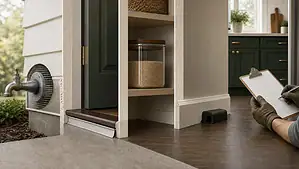
Mice move indoors most in autumn, when temperatures drop and food outside thins. A one-hour fall pass prevents most winter infestations:
- Walk the exterior with a flashlight: check the sill plate, foundation vents, dryer exhaust, and every pipe or wire entry. Seal what you find with mesh plus caulk (never foam alone).
- Move firewood at least 20 feet from the house wall and off the ground; trim shrubs and tree branches touching the building.
- Secure trash with tight lids; clean up fallen fruit and birdseed around the yard.
- Inside: pantry goods into rigid containers before the first cold snap, not after the first sighting.
- Set two or three traps in the usual entry rooms as tripwires through the first cold month, even with no sightings. An empty tripwire trap is information, not waste.
Frequently asked questions
What is the fastest way to get rid of mice?
Set 6–12 snap traps on active runways tonight, cut food access at the same time, and check traps every morning. Most homes see catches within 24–48 hours. There is no instant method that also lasts — the permanent part is sealing, which comes after catches stop.
How many traps do I need — and if I see one mouse, how many are there really?
Plan on 6–12 traps for a typical home (Orkin’s published guidance), or roughly one per metre of active runway (Health Canada guidance referenced by pest sources). One sighting does not equal one mouse — mice are social and breed fast, so assume a small group and trap accordingly.
Does peppermint oil get rid of mice?
No, not as a control method. It may briefly disturb a runway, but it does not remove mice and the effect fades. Treat it as a supplement at most, never the plan.
Do ultrasonic pest repellers actually work?
No reliable evidence supports them, and no agency recommends them for mouse control. Mice habituate to the sound. Spend the money on traps and mesh instead.
Will mice leave on their own?
Almost never. A warm home with food and shelter is ideal habitat. Without trapping and exclusion, the population grows — extension sources commonly cite 5–10 litters a year, around 5–6 pups each, which is why “wait and see” fails.
How are mice getting into my house?
Through gaps about the width of a pencil: pipe and wire entries, dryer vents, foundation cracks, door gaps, and the sill plate. Walk the room-by-room checklist in Step 4 — the gap is usually somewhere you have never looked.
Is it safe to clean up mouse droppings — what diseases do mice carry?
With the wet method, gloves, and ventilation, cleanup is safe for most people. The main risks are hantavirus (highest in deer-mouse areas), salmonella, and leptospirosis. Never dry-sweep or dry-vacuum droppings. Full detail: Diseases From Mice.
How long does it take to get rid of mice?
Catches usually drop within the first week. The job is done after two full weeks with empty traps, no fresh droppings, and no new sounds — then seal interior gaps and keep tripwire traps for two more weeks.
Should I use poison — is it safe with pets and kids in the house?
No loose poison indoors with pets or children, period. Secondary poisoning and ingestion risks are real, and poisoned mice die in walls. Trap and exclude instead; if a professional suggests poison, ask for a no-indoor-poison plan first.
When should I call an exterminator, and what does it cost?
Call when catches continue after three weeks of correct trapping, mice are in unreachable voids, you see mice in daylight, or contamination is heavy. Planning ranges (re-verified 2026-11-02): roughly $150–$550 for initial professional treatment (This Old House, average around $350) to $150–$575 (Today’s Homeowner), with exclusion work quoted separately.
Sources and methodology
This guide did not lab-test traps, and it does not pretend otherwise. Its recommendations come from public agency guidance and extension sources, applied honestly:
- CDC — How to Trap Up: cdc.gov/healthy-pets/rodent-control/trap-up.html (snap traps, daily checks, traps out of reach of children and pets; advises against household glue and live traps).
- CDC — How to Clean Up After Rodents: cdc.gov/healthy-pets/rodent-control/clean-up.html (wet cleanup, gloves, label contact time).
- UC IPM (University of California Statewide IPM Program) — Pest Notes: House Mouse, and Quick Tips: House Mouse (August 2024), listed at ipm.ucanr.edu Quick Tips Library.
- Health Canada — pest control tips for rats and mice, including trap-density guidance referenced by pest sources: canada.ca pest control tips: rats and mice.
- EPA — rodenticide risk and safe-use guidance. [PIN EXACT URL AT APPLY TIME — no verified EPA page found in the 2026-11-02 search; do not guess.]
- Utah State University Extension — deer mouse identification and IPM recommendations: extension.usu.edu deer mouse page. Other state extension services — mouse biology, reproduction, and exclusion guidance. [PIN REMAINING EXACT URLs AT APPLY TIME IF CITED.]
Methodology note. Where this guide gives numbers (trap counts, gap sizes, litter rates, costs), it attributes them to the source named beside them. Where sources disagree (notably gap size), it says so. Where a figure could not be verified at draft time, it is flagged for re-verification rather than printed as fact. Recommendations on this page are selected to support safe, effective removal — not to sell a product or a service.
Affiliate disclosure: As an Amazon Associate, Mice Gone Guide earns from qualifying purchases. Product recommendations, if carried over at apply time, support the advice on this page and do not replace inspection, sanitation, exclusion, safe cleanup, or professional help when needed.




Alexios Papaioannou is the founder and lead editor of Mice Gone Guide. He oversees research, article review, and content updates focused on mouse prevention, humane control, home proofing, and safety-first household guidance.