
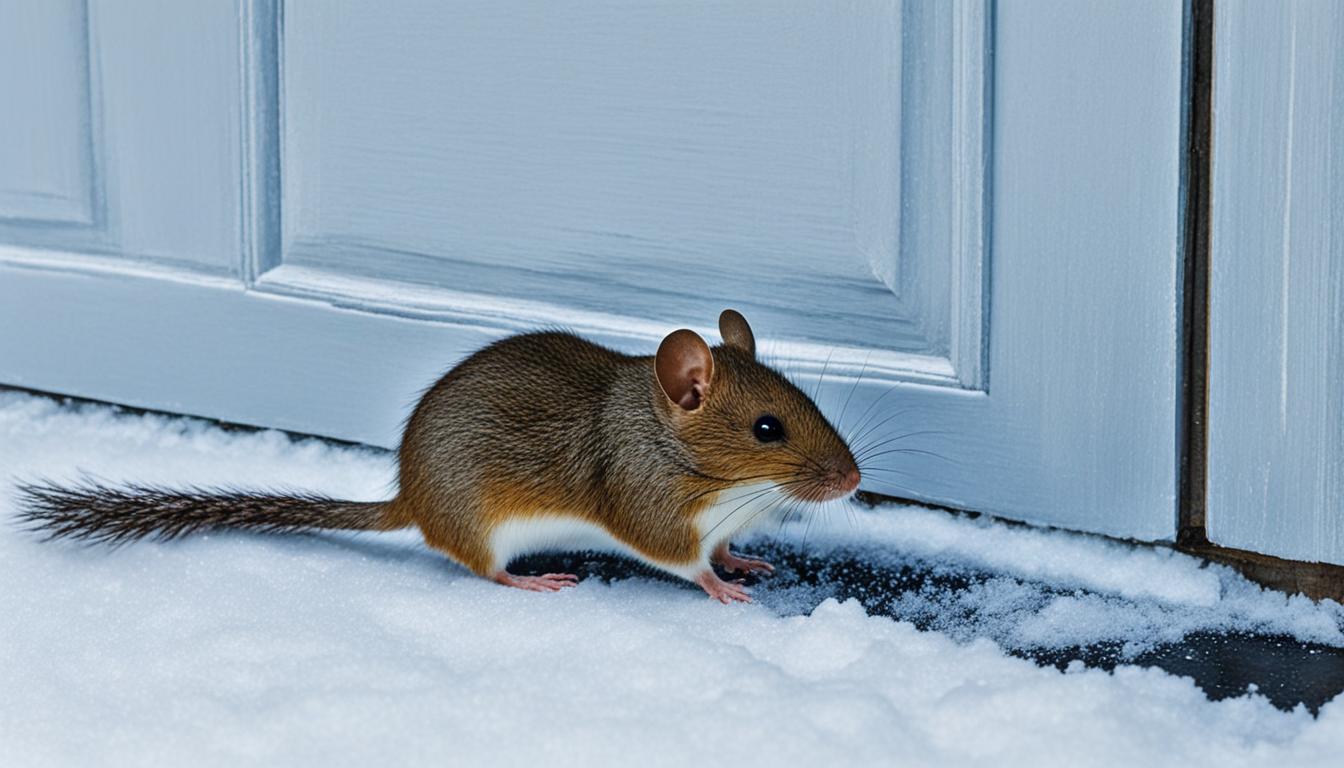
Quick answer: Choose mouse-proofing materials by gap type. Small utility gaps need mesh plus sealant; garage corners need sweep/threshold repair; vents need hardware cloth that preserves airflow; structural cracks may need a pro.
Gap-by-material matrix

| Gap type | Best material | Avoid | DIY or pro? |
|---|---|---|---|
| Pipe gap | Copper mesh or stainless fill plus sealant | Foam alone | DIY if accessible |
| Garage door corner | Door sweep, threshold repair, jamb seal | Scent pouches | DIY/pro depending on door condition |
| Foundation crack | Mortar or concrete patch | Flexible foam only | Pro if structural |
| Vent opening | Hardware cloth that preserves airflow | Blocking airflow | Pro if HVAC-related |
| Roofline gap | Flashing or exterior repair | Ladder DIY without safety controls | Usually pro |
Why material choice matters
Small holes can often be packed with steel/copper mesh and sealed, while larger openings need metal, cement, hardware cloth, or sheet goods. Foam-only repairs often fail because rodents can gnaw or push through weak material.
Buying sequence
- Map the gap type.
- Choose a chew-resistant filler.
- Use sealant only as part of a durable assembly.
- Recheck after weather changes and garage-door movement.
FAQ
Are natural repellents enough to remove mice?
No. Repellents may discourage exploration briefly, but they do not remove food, close holes, eliminate nests, or clean contaminated areas. Treat them as a supplement after sanitation, trapping/monitoring, and exclusion.
What should I do first if I see droppings?
Avoid sweeping or vacuuming dry droppings. Ventilate if safe, wear gloves, dampen the area with disinfectant, remove food access, and place enclosed traps on active routes while you identify entry gaps.
Editorial methodology: This guide prioritizes public-health and label-first safety guidance: remove food, water, and shelter; seal entry points; trap or monitor active routes; clean contamination safely; and use rodenticides only exactly as labeled in secured stations. We removed unsupported field-study language, fake precision scores, and exaggerated guarantees.

Alexios Papaioannou is the founder and lead editor of Mice Gone Guide. He oversees research, article review, and content updates focused on mouse prevention, humane control, home proofing, and safety-first household guidance.