
Best practical toolkit for this situation
A complete mouse-control plan usually needs four pieces: find activity, trap or contain it, clean safely, and seal the entry points. These picks cover the core jobs without overcomplicating the process.

Motel Mouse Humane Live-Catch Mouse Traps, 4-Pack
Trap-type limitation: CDC recommends traditional snap traps and advises against live and glue traps because frightened rodents may urinate and increase exposure. A live-trap listing is not proof of humane or low-risk control. Obtain qualified advice about handling and lawful disposition; keep all traps away from children and pets.
Reusable clear live traps for kitchens, pantries, garages, and light activity zones where you want several placements at once.
Check first: Check dimensions, latch reliability, and recent seller reviews before ordering.
Check on Amazon
Blinc Humane Mouse Trap, 2-Pack
A simple no-kill tunnel-style trap for apartments, under-sink routes, laundry rooms, and narrow wall runs.
Check first: Confirm the opening size and closure design suit mice, not larger rodents.
Check on Amazon
Victor Tin Cat Multi-Catch Live Mouse Trap
Low-profile metal trap for garages, utility rooms, storage rooms, and recurring runway monitoring.
Check first: Multi-catch traps still need frequent inspection; do not leave captured mice unattended.
Check on Amazon
Xcluder Rodent Control Fill Fabric DIY Kit
Stainless-steel fill fabric for small holes, pipe penetrations, utility gaps, and other gnaw-prone openings before sealing.
Check first: Wear gloves, pack gaps firmly, and pair with the correct sealant for the surface.
Check on AmazonSafety note: Follow product labels, keep supplies away from children and pets, and use professional pest control when activity is heavy, recurring, or inside wall/attic voids.
Seasonal Rodent Control Strategies: Spring, Summer, Fall, and Winter
The best seasonal rodent control strategy changes with the year: inspect and repair in spring, control food and yard cover in summer, seal aggressively in fall, and monitor warm indoor routes in winter.

A year-round plan for mouse prevention
Mouse pressure is seasonal because weather, food, storage, and shelter change. This year-round plan connects to winter rodent proofing, eco-friendly prevention, and structural exclusion.
This guide is part of a complete mouse-control cluster: start with confirming the signs of mice, then move to removal, entry-point sealing, food-source control, and safe cleanup so the problem does not return.
Goal
Create a repeatable mouse-prevention calendar instead of waiting for sightings.
Best tools
Calendar reminders, inspection log, sealant, storage bins, traps, yard tools, and cleanup supplies. Compare options in the verified tools and safety gear list before buying or upgrading equipment.
When to escalate
Escalate if activity recurs in the same season. Inspect possible access routes, food and cover; the recurrence does not establish one cause.
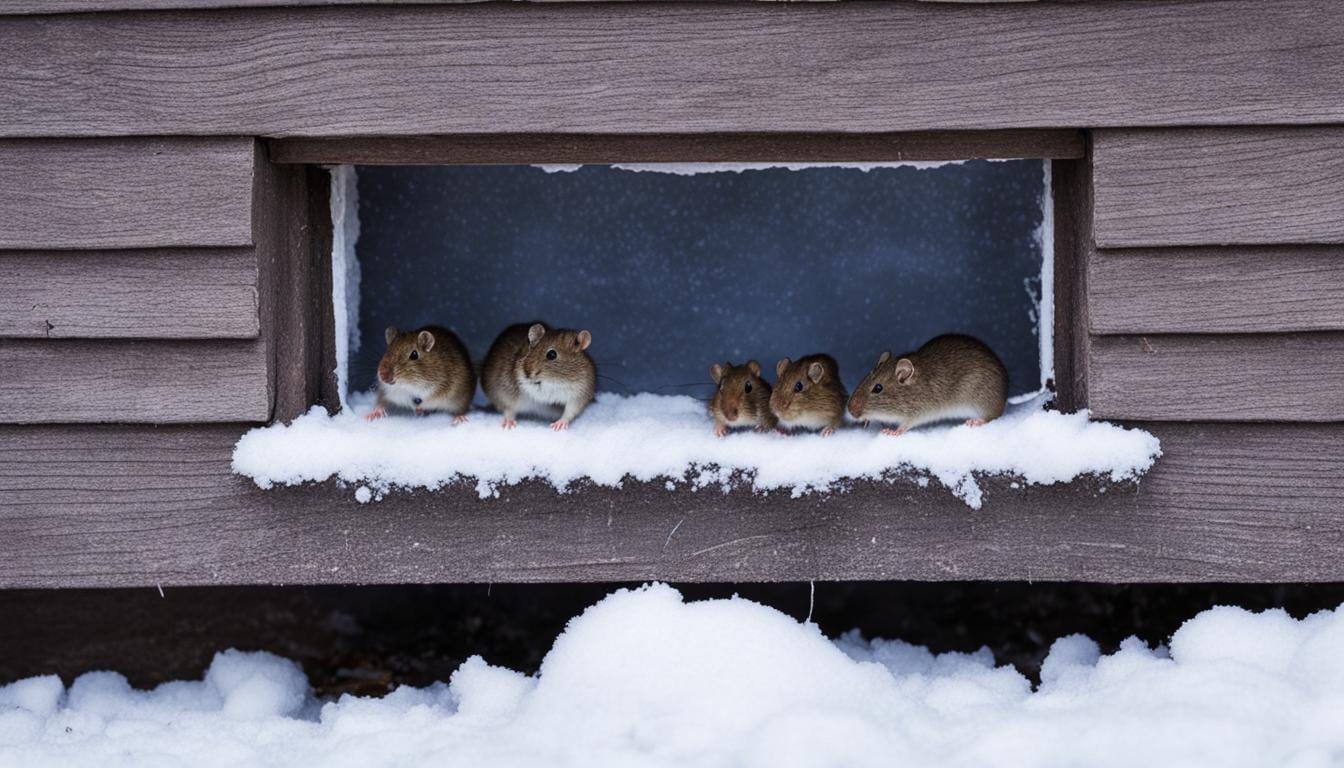

The seasonal rodent-control calendar
Work in this order so you do not waste time treating symptoms while the real access points stay open.
Confirm the evidence before acting
Spring: inspect winter damage, foundation gaps, doors, vents, and attic signs. Clean old activity safely.
Remove attraction sources
Summer: control outdoor food, trash, compost, garden harvest, bird seed, pet food, and dense vegetation near walls.
Control active mice with targeted tactics
Fall: perform the most detailed exterior sealing before cold weather. This is the most important prevention season in many homes.
Seal, clean, and monitor
Winter: monitor garages, basements, attic access, and warm utility zones for fresh activity.
Seasonal priorities by time of year
Mouse activity usually concentrates along edges, voids, warm equipment, stored food, and clutter. Start where the evidence is strongest.
| Priority area | What to look for | Best response |
|---|---|---|
| Spring repairs | Weather damage and old droppings | Inspect damage, safely clean waste and maintain exclusion; indoor breeding can occur year-round |
| Summer food | Garden produce, trash, pet food | Reduce outdoor feeding opportunities |
| Fall exclusion | Cold-weather entry pressure | Repair suitable gaps while preserving building functions and addressing mice already inside |
| Winter monitoring | Indoor warmth and storage | Check traps and storage areas |
| Year-round records | Repeat hotspots | Track activity to find missed routes |
Safety rules, cleanup, and risk reduction
A practical long-term approach is integrated pest management: remove food and shelter, close entry points, trap strategically, clean safely, and monitor for new activity. Scent-only tricks may temporarily disturb mice, but they do not replace exclusion work or proper trap placement.
- Document fresh droppings before cleaning so you know where activity was strongest.
- Keep food, pet food, seed, and trash in rigid containers with tight lids.
- Reduce cardboard, fabric, and paper clutter that can become nesting material.
- Use traps in protected, out-of-reach locations if children or pets are present.
- Recheck sealed areas after weather changes or contractor work.
Common mistakes that make mouse problems last longer
- Skipping inspection: Treating the whole house blindly wastes effort. Let droppings, gnaw marks, rub marks, tracks, noises, and odor guide your plan.
- Relying on scent alone: Peppermint, dryer sheets, and sprays may mask odor briefly, but mice can stay if food, warmth, and openings remain.
- Cleaning dry droppings with a broom: Dry sweeping can stir contaminated dust. Wet first, wait, wipe, and dispose safely.
- Not sealing after removal: Trapping without exclusion leaves the structure open for the next mouse.
Frequently asked questions
What season are mice most likely to enter homes?
Risk often rises in fall and winter as mice seek shelter, but local conditions, food, and building gaps matter.
What should I do in spring for mice?
Inspect for winter damage, clean old contamination safely, repair gaps, and reset monitoring areas.
Is summer rodent control necessary?
Yes. Summer food sources and outdoor shelter can build populations before fall entry pressure.
How do I make seasonal control easier?
Use a recurring calendar: inspect, clean, seal, store food properly, trim cover, and monitor high-risk zones.
Sources and review notes
This guide was written for homeowners and renters who need clear, practical mouse-control advice. It uses official public-health, pesticide-safety, and integrated pest management references where safety matters most.
- CDC — How to clean up after rodents
- EPA — Safely use rodent bait products
- UC IPM — House mouse control and exclusion
Last editorial update: April 24, 2026. Review cadence: update when public-health guidance, pesticide labeling rules, or pest-control best practices change.
Safety standard for mouse cleanup and control
Never dry-sweep or dry-vacuum mouse droppings, urine, or nesting material. Wet contaminated material with disinfectant first, wear disposable gloves, let the area sit, then wipe and dispose of waste safely. This article is reviewed against CDC cleanup guidance, EPA rodenticide safety notes, and university IPM exclusion guidance.
- Keep traps and bait stations away from children, pets, and food-preparation surfaces.
- Do not relocate live mice off-property unless local law allows it; relocation can be restricted, ineffective, or unsafe.
- Call a licensed pest professional for large infestations, repeated activity after sealing/trapping, contaminated insulation, or health-risk situations.
Primary references: CDC rodent cleanup guidance, EPA rodent bait safety, and UC IPM house mouse exclusion guidance.
How this guide was produced
Mice Gone Guide prioritizes homeowner safety, practical pest-control sequencing, and source-backed recommendations. Health, cleanup, bait, trapping, exclusion, and relocation guidance is checked against official safety sources where possible and written for ordinary homes rather than professional pesticide operators.
Reviewed by: the Mice Gone Guide editorial team. Last reviewed: 2026. If you spot an unsafe or outdated statement, contact us so we can correct it.




Alexios Papaioannou is the founder and lead editor of Mice Gone Guide. He oversees research, article review, and content updates focused on mouse prevention, humane control, home proofing, and safety-first household guidance.