
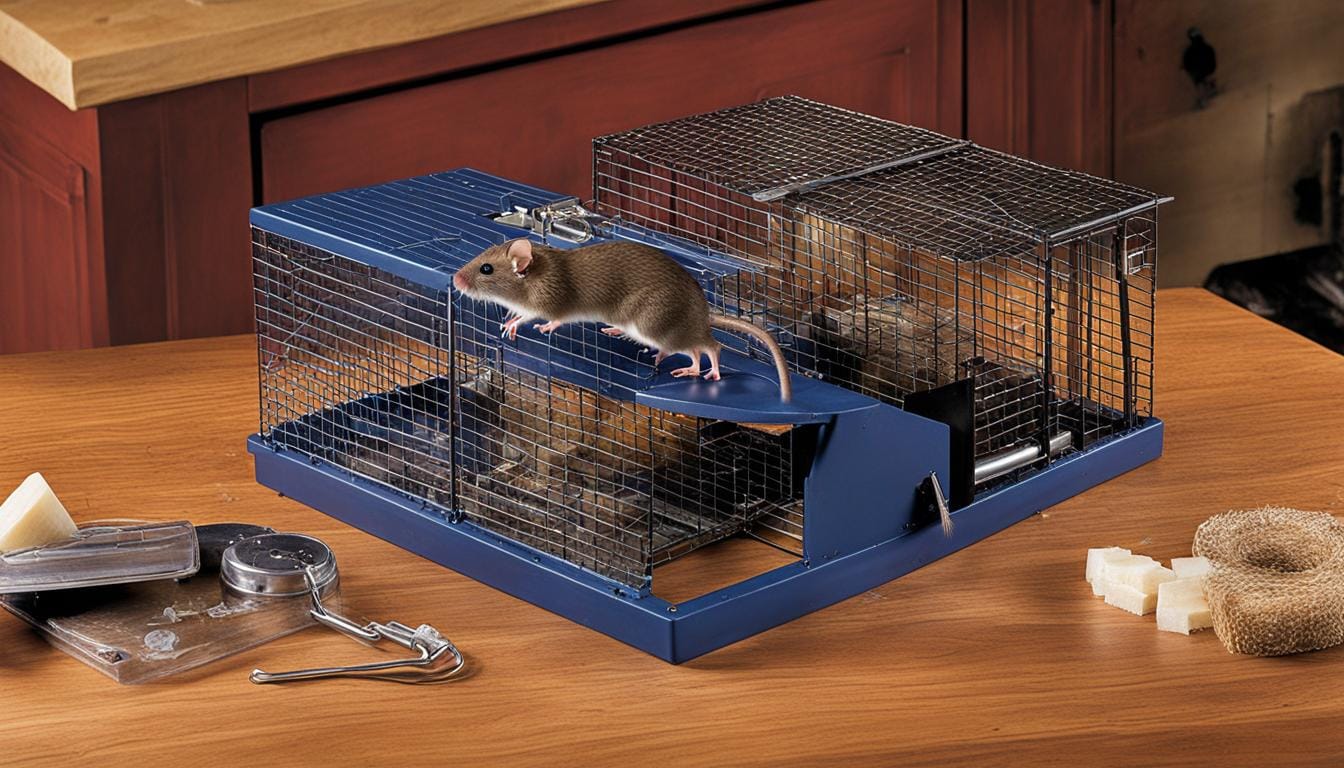
The best humane mouse trap is a live-catch trap you can inspect often, clean safely, and place exactly where mice already travel. Humane traps can work well for a small, early mouse problem, but they are not magic: if you do not seal entry points, remove food access, and check traps frequently, the same mice—or new ones—can keep coming back.
This guide explains when live traps make sense, which trap styles are worth considering, how to set them without making the problem worse, and which Amazon products fit different home situations.
Quick verdict: when humane mouse traps are the right choice
Live-catch traps are best for homeowners who want a no-poison, no-snap approach and are ready to manage the process actively. They are not the fastest answer for a large infestation. If you are seeing fresh droppings every day, hearing movement in multiple areas, or finding gnawed food packaging, treat this as a control-and-exclusion project—not just a trap purchase.
Best humane mouse traps on Amazon for different situations
The products below were chosen for practical use cases: small indoor captures, multi-catch monitoring, simple cleaning, and situations where you want a contained live trap rather than glue boards or loose bait. Always inspect the current Amazon listing for dimensions, seller, return policy, and included parts.

Motel Mouse Humane Mouse Traps, 4-Pack
Good fit when you want several reusable live traps for a kitchen, pantry, garage edge, or basement route. The 4-pack helps you cover more than one runway without buying a single trap and guessing.
Check before buying: confirm current dimensions, latch design, cleaning brush inclusion, and seller reviews.
Check price on Amazon
Blinc 2-Pack Humane Mouse Trap
A compact choice for a small apartment, laundry room, or under-sink route where you want a basic no-kill trap that is easy to place flush against a wall.
Check before buying: make sure the opening size fits your target pest and that the trap closes reliably in recent reviews.
Check price on Amazon
Victor Tin Cat Multi-Catch Live Mouse Trap
Useful when you need to monitor a garage, storage area, or utility space and want a low-profile metal trap that can catch more than one mouse before service.
Check before buying: multi-catch traps must be inspected frequently; do not leave captured mice inside for long periods.
Check price on Amazon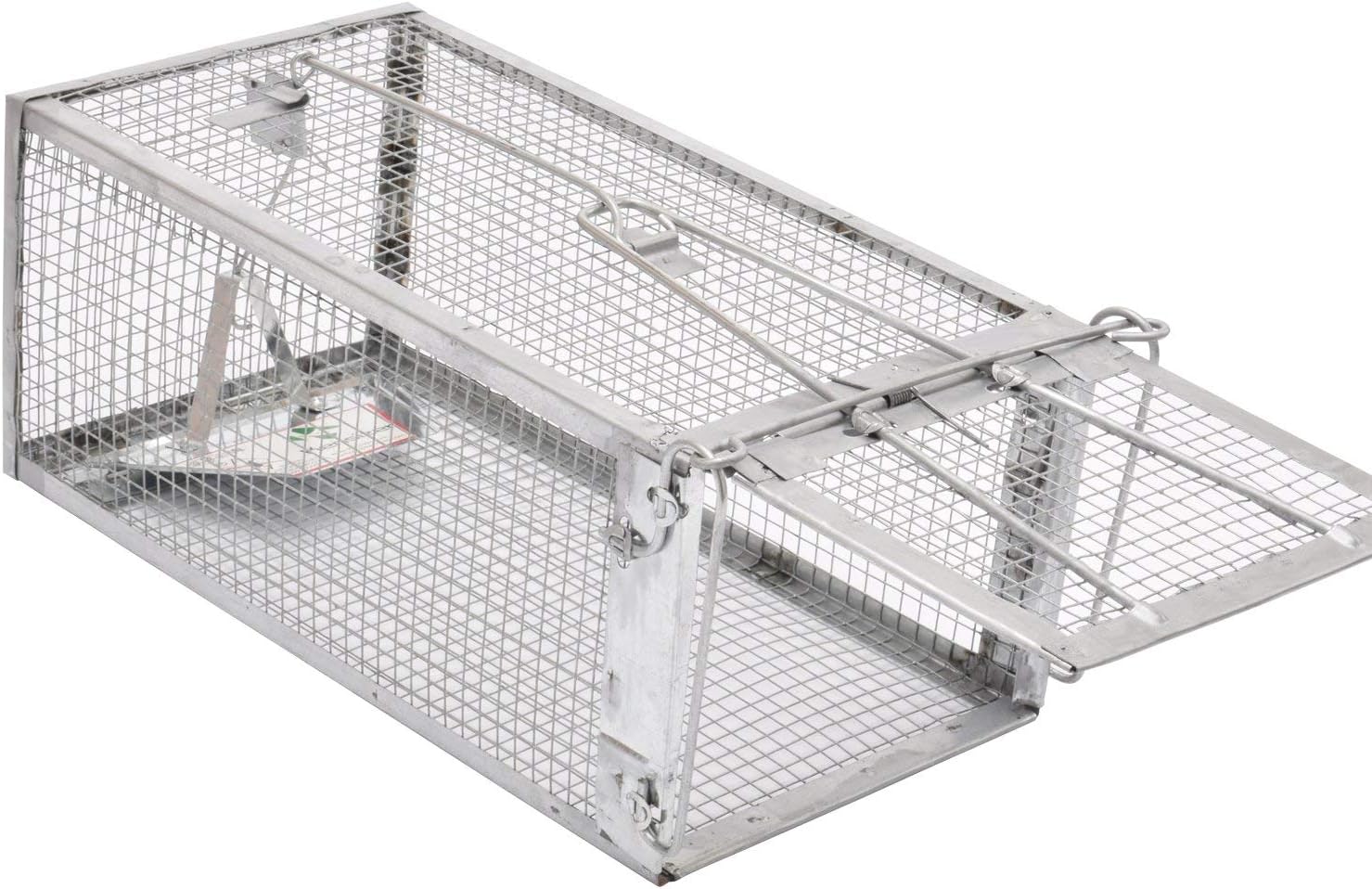
Kensizer Humane Small Animal Live Cage Trap
Better for garages, sheds, or larger small-rodent situations where a rigid cage-style trap is easier to inspect from a distance than a small plastic tunnel trap.
Check before buying: choose the correct size. Oversized traps may be less sensitive for very small mice.
Check price on AmazonHow to choose a humane mouse trap without wasting money
| Trap type | Best for | Main advantage | Main drawback |
|---|---|---|---|
| Clear plastic live-catch trap | Kitchens, apartments, pantries, under-sink areas | Easy to see whether a mouse is inside; simple to place along walls | Needs frequent checks and careful cleaning |
| Multi-catch metal trap | Garages, storage rooms, utility areas | Can monitor repeated activity in one runway | Captured mice can become stressed if ignored |
| Small cage trap | Sheds, garages, larger small-rodent uncertainty | Durable and visible from a distance | May be too large or insensitive for tiny house mice |
| DIY bucket or ramp trap | Experienced DIYers who understand safe handling | Cheap materials and high capacity when built correctly | Easy to build badly; poor checks can make it inhumane |
The setup that makes live traps actually work
What humane traps do not solve
Humane traps remove individual mice. They do not close the hole behind the dishwasher, fix the garage-door gap, protect pet food, or stop mice from following scent trails back into the same warm space. If you catch one mouse and do nothing else, you may simply make room for the next one.
Humane trap safety: handling, release, and cleanup
Never handle a live mouse directly. Use gloves, keep the trap level, and avoid opening it indoors unless you are following a controlled disposal or release process allowed in your area. The CDC’s rodent cleanup guidance emphasizes avoiding dust from urine, droppings, and nesting material; wet contaminated areas with disinfectant before cleanup rather than sweeping dry debris.
Release rules vary by location and by species. Some jurisdictions do not allow relocation because it can spread disease, harm wildlife, or move the problem to someone else’s property. If you are unsure, check local animal-control or extension guidance before trapping.
Common mistakes that make humane traps fail
- Using too much bait: the mouse eats from the entrance without triggering the trap.
- Checking too rarely: this turns a humane tool into a stress box.
- Ignoring outside gaps: trapping indoors while the entry point stays open creates repeat activity.
- Choosing the wrong size: small mice may not trigger larger cage traps consistently.
- Skipping cleanup: scent trails, droppings, and contaminated nesting material can keep the area attractive.
Humane traps vs snap traps vs repellents
Humane traps are best when your priority is no-kill capture and you can service traps consistently. Snap traps are faster for decisive population reduction but require careful placement away from children and pets. Repellents can sometimes help as a supporting tool, but they rarely solve an active indoor mouse problem by themselves. If you are comparing methods, read the practical breakdown of humane trap pros and cons and the separate guide to DIY mouse traps before buying more gear.
FAQ: humane mouse traps
Do humane mouse traps really work?
Yes, humane mouse traps can work for small, early mouse problems when they are placed on active runways, baited lightly, and checked often. They work poorly when homeowners use one trap, place it randomly, or skip sealing and sanitation.
How often should I check a live mouse trap?
Check live traps at least morning and evening, and more often when possible. Frequent checks are essential for humane treatment and also tell you whether the trap location is active.
What bait works best in a humane mouse trap?
A very small amount of sticky bait—such as peanut butter or hazelnut spread—usually works better than a loose pile of food. The goal is to make the mouse enter fully, not feed from the doorway.
Can I release a mouse far away from my house?
Maybe, but do not assume it is legal or humane where you live. Local rules vary, and relocation can expose animals to predators, weather, disease issues, or another property owner’s home.
What should I do after catching a mouse?
Handle the trap with gloves, follow local rules for release or disposal, disinfect the trap according to the manufacturer’s instructions, clean contaminated areas safely, and seal the likely entry points before resetting traps.
Use humane traps as part of a complete prevention plan
If you want a no-poison approach, start with live traps—but finish with exclusion. The strongest next move is to seal the routes mice are using, remove easy food, and monitor the same areas for fresh droppings for at least two weeks.
Next: follow the mouse-proofing hub for sealing materials, door gaps, garage edges, and long-term prevention.
Clear takeaway: humane mouse traps only work when checked and released correctly
Short answer: Humane traps can reduce harm, but they require correct bait placement, frequent checking, safe handling, and release decisions that follow local guidance. They are not a set-and-forget solution.
How to use this guide
- Place traps along walls and travel paths, not open spaces.
- Check traps often to reduce stress and suffering.
- Seal entry points so released or new mice do not return.
Relevant next steps

Alexios Papaioannou is the founder and lead editor of Mice Gone Guide. He oversees research, article review, and content updates focused on mouse prevention, humane control, home proofing, and safety-first household guidance.